
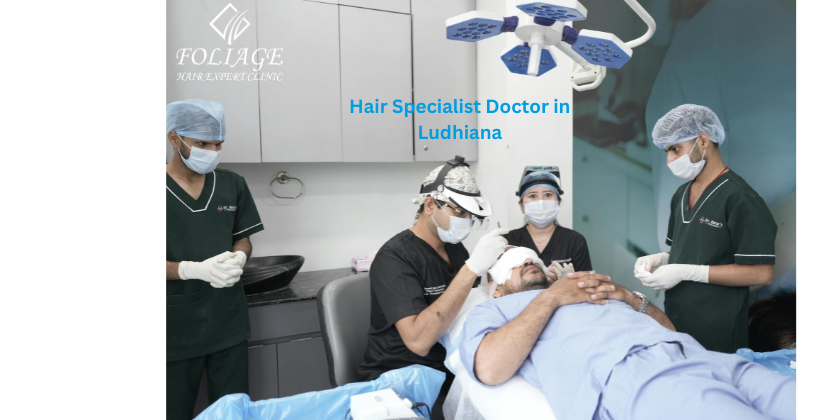
Taking care of your hair is often linked to your self-esteem and sense of who you are. People can feel very bad when they notice their hairlines getting thinner or going back. Foliage Hair Expert helps people find a qualified hair specialist doctor in Ludhiana who will give them medical-grade care that is tailored to their unique biological needs. The first step to restoring hair is to learn about the science behind hair growth and the different things that can make it thin.
Learning about the hair growth cycle
To deal with worries about thinning hair, you first need to know how hair grows. Each hair on the scalp goes through a cycle of growth, transition, and rest. It is normal to lose some hair every day; losing between fifty and one hundred hairs is considered normal. But if the rate of loss is higher than the rate of new growth, it means there is a problem that needs to be fixed by a professional.
The health of your hair starts deep in your scalp. The hair follicles are the living parts of the body that make hair fibres. For these tiny structures to work properly, they need a constant supply of nutrients and oxygen from the blood. When these follicles are damaged by genetics, hormonal changes, or outside stressors, the hair they make starts to get worse.
Things that make hair thin out often
There are many different reasons why hair may suddenly fall out. Genetics are the most important factor for many people. Androgenetic alopecia, also known as male or female pattern baldness, is a genetic condition in which hair follicles get smaller over time. This process, called miniaturisation, makes the hairs thinner and shorter until the follicle stops making hair completely.
In addition to genetics, lifestyle choices and health issues are to blame. Stress, not getting enough nutrients (especially iron or protein), and thyroid problems can all cause temporary or permanent hair loss. Some types of harsh chemical treatments or tight hairstyles can cause traction alopecia, which hurts the roots physically. It’s important to find the root cause because a one-size-fits-all solution usually doesn’t work.
Current Methods of Diagnosis
A professional consultation includes a thorough examination of the scalp and hair density. Experts use high-tech tools to look at the scalp environment and see if there is any inflammation or blocked pores that could slow down growth. A hair specialist doctor in Ludhiana, like Foliage Hair Expert, can tell the difference between temporary shedding and progressive thinning by looking at the pattern of loss.
Doctors often suggest blood tests to check hormone levels and vitamin levels. This method, which is based on data, makes it possible to make a precise diagnosis, which means that the next steps will be based on clinical evidence instead of guesswork.
Creating a Customised Treatment Plan
There is no one solution that works for everyone’s scalp health. After a diagnosis is made, the next step is to make a treatment plan that is unique to the patient. This plan could include a mix of topical treatments, oral medications, and procedures done in the clinic to wake up dormant follicles.
Non-invasive therapies are often very effective for people who are just starting to lose hair. These could include:
- Nutritional advice to help keep follicles healthy.
- Topical solutions of medical grade to make the growth phase last longer.
- Techniques for stimulating the scalp to improve blood flow.
The first step is to stabilise the current number of hairs before working on regrowth. The most important thing about any routine is that you stick to it. Hair grows slowly, and changes can take months to show up.
Advanced Solutions and Hair Transplantation
When non-invasive methods don’t work, especially when hair loss is severe, surgery is an option. Hair transplantation has become a complex art that gives results that look natural. Modern methods move healthy hair follicles from a donor area, usually the back or sides of the head, to areas that are thinning.
These procedures don’t hurt much and let you get back to your normal activities quickly. The results are usually permanent because the transplanted follicles are genetically resistant to the hormones that make hair fall out. To get a natural hairline, you need a surgeon who is both artistic and precise, making sure that the angle and density of the new hair match the patterns that are already there.
Looking into a lot of different therapies
New ideas in medicine have led to a lot of new regenerative therapies. Some of these are Platelet-Rich Plasma (PRP) therapy, which uses the patient’s own blood cells to encourage growth, and low-level laser therapy, which gets cells in the scalp moving. Clinics can help with anything from minor thinning to complete scalp restoration by offering a range of options.
Protecting the environment is also important. Keeping the scalp safe from too much UV radiation and pollution helps keep the hair shaft healthy. Using the right cleaning products, which don’t have harsh sulphates in them, keeps the scalp a healthy place for hair to grow.
Why it’s important to get professional help
Many people use over-the-counter oils and supplements, but they don’t always fix the biological problems that cause hair loss. Getting professional help makes sure you don’t waste time on treatments that don’t work while your follicles keep getting smaller. A specialist connects pharmacy products to clinical outcomes.
The mental health benefits of taking action are huge. Going from being worried to following a structured medical path gives you a sense of control. Most types of thinning can be controlled, slowed down, or even stopped with the right help.
Long-Term Care and Health of the Scalp
Once the hair grows back, success doesn’t stop. Taking care of things is a lifelong commitment. This means getting regular checkups, eating a healthy diet, and staying away from habits that hurt the hair. Taking care of your hair is just as important as using lotion or getting a haircut. Staying hydrated and keeping your stress levels low are just as important.
People can get their hair back and their confidence back by learning about the science of the scalp and using modern technology. The patient and the specialist work together to restore health, using realistic expectations and proven medical procedures.
FAQs
As part of the natural replacement cycle, normal shedding means losing about 50 to 100 strands of hair every day. If you see thinning spots, a wider part, or a lot of hair on your pillow or in the shower drain, it’s time to see a professional to check the health of your hair follicles.
Yes, the hair follicles that are used in a transplant usually come from the “permanent zone” at the back of the head. These follicles are genetically programmed to fight the hormones that cause hair loss, so they will keep growing for the rest of their lives, even if they are moved to a new place.
Diet and stress management won’t stop genetic hair loss, but they are very important for stopping secondary thinning. Not getting enough protein, iron, and biotin can make hair weaker, which makes it more likely to break and fall out early. A healthy body helps your scalp stay healthy.
The first time you see the specialist, they will look at your scalp and hair. They will talk about your medical history, diet, and family history of hair loss. This helps them figure out what kind of loss it is and make a personalised recovery plan.
There isn’t a strict age limit, but the approach is different. Younger patients may prioritise stabilisation and medical treatment, whereas older patients might be more suitable for surgical restoration. The most important things are the patient’s health and the availability of healthy donor hair.
About half an inch of hair grows every month. Most medical treatments need to be used regularly for at least three to six months before you can see changes in the density or texture. To see a change, you need to be patient and follow the specialist’s advice.