Hair Transplant

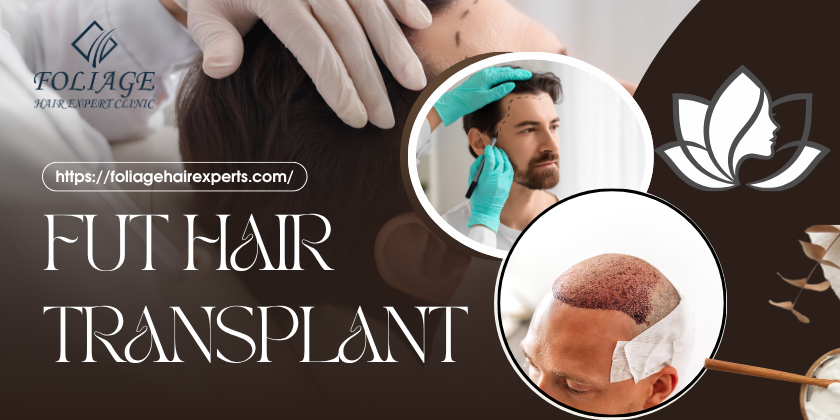
FUT hair transplant

Foliage Hair Expert: FUT Hair Transplant – High Density Restoration Overview

Choosing to treat significant hair loss requires a good understanding of the surgical procedures used to regain coverage. In cases of diffuse thinning in the crown area or serious recession of the hairline, the choice of the right surgical approach is vital to ensure a lifetime of natural density. In modern marketing new automated techniques are often touted, but the traditional strip harvesting technique remains a staple of surgical hair restoration. The most efficient and best option for patients who need a large number of grafts to cover large bald patches in a single session is a well-performed FUT hair transplant. At Foliage Hair Expert, our surgical teams focus on clinical precision to provide you with a safe, natural restoration that will stand the test of time. The Mechanics of Follicular Unit Transplantation The clinical basis of follicular unit transplantation fut is to remove a narrow strip of healthy tissue from the permanent zone at the back end sides of the scalp. This area , called the linear donor site , is full of hair that is genetically immune to the hormones that cause pattern baldness . Once the surgical team removes the strip, the open area is closed with advanced trichophytic closure techniques that allow the surrounding hairs to grow directly through the healing seam, greatly minimising the final visibility of the scar. FUT Harvesting Process of Linear Strips Donor Strip Excision > Stereo-Microscopic Dissection  Permanent Zone:  Hair Isolated Follicular Units Implantation Target: High Density in Areas of Thinning Once the strip is secured, specialised technicians place the tissue under high-powered stereo-microscopes and dissect it into individual follicular units. These units contain clusters of 1, 2, 3 or 4 hairs, as expected. This dissection is done in vitro under direct magnification with all protective tissue around each root left intact. This careful handling reduces the risk of cutting the root and keeps the roots healthy and viable for successful implantation in the recipient site. Option Analysis: Advanced Balding FUE vs. FUT When patients consider options, they often compare the two main types of surgical hair restoration. The main difference when looking at fue vs fut is purely in the way the surgical team harvests the donor tissue. In a typical fue procedure, the surgeon extracts follicles one at a time right from the scalp using a small motorised punch tool. This avoids a long seam, but requires a much larger total harvest area and sometimes limits the total yield if the patient has low hair density. Clinical Comparison FUT and FUE Metric FUT (Strip Method)                                 FUE (Punch Method) Harvest Technique Linear                                    Tissue Strip Individual Punches Average Graft Survival Rate                                 Very High Variable (Manual) Full Scalp Shave Donor Strip                               Only Shaving Required Maximum Yield Session Up to 4,500 Grafts     Up to 3,000 Grafts Instead the fut technique restricts the harvest to a single narrow strip of tissue. This leaves the surrounding areas completely untouched, preserving the remaining donor hair for any touch ups later in life. When hair loss is advanced, it is very important to maximise the donor site over a lifetime. The strip method allows the medical team to retrieve a high number of grafts in one session without over-harvesting or thinning the back of the head. It is an extremely strategic choice for large patterns of baldness. Maximising Graft Yield & Graft Integrity The main advantage of opting for a strip-based type of hair transplant is the better structural integrity of the harvested grafts. Unlike a punch tool that pulls clusters blindly from the scalp, technicians isolate each cluster under a microscope, so the delicate sebaceous glands and supporting tissues surrounding the roots are left entirely intact. This structural protection results in higher post-placement survival rates. This method works very well for large thinning patches requiring high density packing. During the implantation phase, the surgeon creates a soft, natural frame along the front hairline with single-hair units and adds more depth to the visual volume by placing larger two- and three-hair units further back. This careful planning makes sure that your new hair will grow in the same direction as the natural growth of your existing hair line. Donor Area Management and Healing Time One frequent concern of patients contemplating this approach is the development of a linear scar along the posterior scalp. But the modern closure methods have changed the healing process, so it is important to know that a mark will exist. Our surgeons use fine, layered sutures that pull the edges of the skin together with no tension. This technical approach ensures that the line heals as a thin, easy-to-hide mark that is virtually invisible with a standard haircut. 1. Accurate Detachment of Strip from Donor Site 2. Layered Trichophytic Closure of Seam 3. Microscopic Isolation of Hair Bundles 4. Expert Implantation in Recipient Zones A strip harvest does not require complete shaving of the surrounding donor area. Patients can easily maintain their existing hairstyle to hide the stitches from day one. This means that the recovery process is much more discreet than a standard fue hair transplant, where a full scalp shave is often required before the surgery. Superficial sutures are usually removed within ten to fourteen days leaving a clean and healthy foundation for long-term growth. Why Microscopic Separation Is Important in Modern Surgery The success of a high volume restoration depends on the skill of the clinical staff behind the scenes. After the donor hair strip is removed, it must be divided into individual follicular units in a rapid and precise fashion. If the tissue is left too long at ambient room temperatures or

Foliage Hair Expert: FUT Hair Transplant – High Density Restoration Overview Read More »

Best hair transplant clinic in india

Secure Natural Results at the Best Hair Transplant Clinic in India

Many who are suffering from androgenetic alopecia or thinning have turned to surgical intervention to regain a youthful appearance. When patients are looking for the best hair transplant clinic in India, they often have to wade through a sea of technical jargon and different promises. Foliage Hair Expert is at the forefront of the industry in its adherence to medical ethics, patient education and technical precision. Selecting the right facility is not just about price; it’s about choosing a center where a highly trained medical team understands the biological complexities of the scalp and the artistic requirements of a natural hairline. Introduction to the World of Hair Restoration Hair restoration has dramatically shifted to minimally invasive procedures with faster recovery times and virtually undetectable results. With the combination of advanced medical infrastructure and specialised surgical skills, India has become a world centre for those looking for a permanent solution to hair fall. However, the difference between an average facility and the best hair transplant clinic in India is the consistency of results and the safety protocols followed during the hair transplant procedure. The success of the procedure depends on a combination of factors including the quality of the donor area, the health of the patient and the method of extraction and implantation used. Sophisticated diagnostic tools are available in today’s clinics that can assess the scalp environment prior to any surgery. This preparation guarantees that each patient will receive a customised plan that reflects their unique pattern of thinning and their long-term aesthetic goals. The Science of Graft Survival and Success Success rate is one of the most important metrics in any hair transplant clinic. The percentage of transplanted follicles that successfully take root, and grow in the new location, is directly related to graft survival. It takes a delicate touch and a controlled environment for high graft survival. Follicles are living organs, they are sensitive to temperature, hydration and mechanical trauma. Foliage Hair Expert, is focused on “minimal out of body time”. The quicker a follicle is transferred from the donor area to the recipient area, the better its chances of survival. With advanced techniques like Sapphire FUE or Direct Hair Implantation (DHI), surgeons can make smaller incisions, which means less trauma to the scalp and better blood supply to the newly placed grafts. The scalp heals more quickly and the follicles are better protected during those crucial first few days after surgery. Advanced Techniques to Redefine Results Technology has moved on from the old “strip” methods that left linear scars. In today’s world, an experienced doctor will usually recommend Follicular Unit Extraction (FUE) or its more advanced variations. These techniques involve harvesting individual follicular units with specialised micromotors using punches as small as 0.6mm. With this level of high quality instrumentation the donor area will still be dense and natural looking even after several thousand grafts have been taken. Another breakthrough is the addition of regenerative medicine. GFC or PRP is now used as an adjunctive therapy to many of the top procedures. These procedures use the patient’s own blood to stimulate the scalp and provide the “fertilizer” to help the “seeds” (the grafts) grow more vigorously. The combination of a surgical hair transplant procedure with biological boosters allows clinics to reach a level of density and health that was difficult to achieve before. Role of the Well-Trained Medical Team Machines and tools are important but they are only as good as the hands that hold them. The real key to success is a team of highly trained technicians and an experienced lead doctor. An average session will see the transplant of thousands of grafts, all requiring microscopic precision. If you squeeze a graft too hard or put it in at the wrong angle the final result will look artificial or “pluggy”. The top hair transplant clinic in India makes sure that the lead surgeon is involved in every critical stage, especially the design of the hairline and the creation of the recipient channels. The hairline is the most visible part of the work and it takes an artistic eye to reproduce the random, staggered pattern of natural hair growth. A good surgeon knows how to move from single hair grafts at the very front to multi hair grafts further back to give the illusion of natural depth and volume. The Patient Journey This process starts well before the day of surgery. A comprehensive consultation is the first step in any reputable hair restoration journey. In this stage, the doctor will measure the degree of hair loss using the Norwood Scale for men and the Ludwig Scale for women. They also look at the donor density at the back and sides of the head . If the donor area is not strong enough the surgeon may seek other sources of hair such as body hair or the beard hair . This is a very skilful procedure and should be carried out with a great care . Transparency is another sign of a top clinic. Patients should be given a realistic expectation of what can be achieved in one sitting. In later stages of baldness, sometimes it requires two separate sittings to get full coverage so that the scalp is not overharvested. A clinic that makes decisions based on data and not marketing promises protects the long term interests of the patient and the health of the donor. Postoperative Care and Survival When the last graft is placed the duty of the clinic does not end. Postoperative care is important to keep a high success rate. The first 72 hours are the most important as this is when the grafts are becoming “fixed” into the scalp. We give patients instructions on washing, medications to prevent swelling, and serums to keep the area hydrated. The healing process can be monitored by the medical team through regular follow-ups, either in person or using digital consultations. Most patients experience a “shedding phase” in the first month, which can be frightening but

Secure Natural Results at the Best Hair Transplant Clinic in India Read More »

Hair transplant cost jammu

Hair Transplant Cost Jammu – Foliage Hair Expert Clinic Investment Highlights

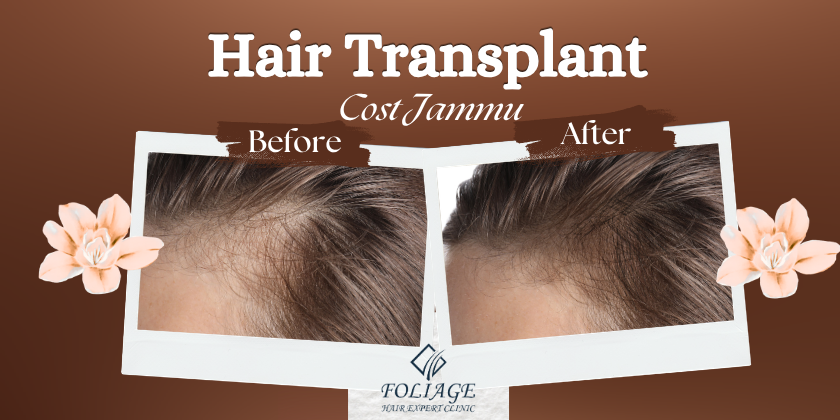
Taking the step to get a hair restoration procedure can be a significant move in rebuilding your self-image and confidence. For those residing or visiting Jammu and Kashmir, understanding the financial commitment involved is important to make an informed choice. While patients research about hair transplant cost jammu by Foliage Hair Expert Clinic, they often find that the cost of surgery is not a fixed number but a variable figure that depends upon a multitude of medical and technical factors. This guide is intended to provide a clear, scannable and comprehensive overview of the various factors that influence the ultimate costs of a procedure. By looking at the methodology, technology and expertise you will be able to better understand where your investment goes and what to expect on your restoration journey.  Factors that influence the final price The price of a hair transplant is rarely the same since no two scalps are alike. Each patient has a different pattern of thinning, a different density of donor hair and different aesthetic goals . We need to break down the essential components that impact the final billing to be able to offer a clear overview.  1. How many grafts are required? The biggest cost driver is the number of hair follicles, or grafts, you need to get the density you’re after. Clinics will usually charge you per graft. 2. The surgical technique (FUE versus FUT) The method used to extract and plant the hair greatly affects the price. 3. Surgeon’s experience and clinic’s reputation For a successful transplant is as much an art as a medical procedure. High-end clinics boast surgeons with years of specialised experience and a track record of success. Choosing an expert ensures that the hairline will look natural and the survival rate of the grafts will be high. A junior tech might be less expensive, but the chance of a “pluggy” look or poor growth often makes the initial savings a bad long-term choice.  Jammu Region: What to Expect Here Now Jammu is a hub of medical excellence in North India with world class facilities at prices not as hyper-inflated as major metropolitan cities like Mumbai or Delhi. The market here is so competitive that patients get good quality care at a reasonable price point. Typical price ranges The hair transplant cost in jammu by Foliage Hair Expert Clinic is usually within the following approximate ranges based on current market trends in 2026:  Extent of Hair Loss Estimated Grafts Price Range (Approx. INR) Frontal Hairline Only 1,000 – 1,500 ₹35,000 – ₹60,000 Front and Mid-Scalp 2,000 – 3,000 ₹70,000 – ₹1,20,000 Full Head Restoration 4,000+ ₹1,50,000 – ₹2,50,000 Note: Figures are estimates. We will only give an exact quote depending on your specific scalp condition after your physical or digital consultation.  Hidden Costs and All-Inclusive Packages When asking for quotes, find out what is included in the “package.” The following are charged separately and can make a seemingly low price more: A transparent clinic will give you an all-inclusive quote, so there are no surprises on procedure day. Quality Over Price: Why it’s More Important It’s natural to look for a bargain, but hair restoration is permanent. Fixing a botched surgery can be difficult and expensive. Low-cost clinics usually cut corners by: When you pay for a good clinic, you are paying for safety, hygiene and a natural aesthetic result that will last a lifetime. FAQs

Hair Transplant Cost Jammu – Foliage Hair Expert Clinic Investment Highlights Read More »

Female hair transplant

The Beauty Concept: Is a Female hair transplant Right for You?

Hair is a very important sign of identity and life, especially for women. When the volume starts to go down, the effects can be very strong, changing how people see themselves and how confident they feel in social situations. The talk about restoration usually focuses on men, but the truth is that millions of women look for ways to fix their thinning hair every year. The first step to getting back a look that feels real and alive is to learn about the biological and technical parts of recovery. Modern medical advances have made sure that people who are going through these changes can get specialised care that works well and lasts. To get thicker hair, you need to know what causes it in the first place. Men often have distinct receding hairlines, but women usually lose hair all over their heads, which is a general loss of volume. This can make it harder to figure out what’s wrong and plan treatment. But with the right knowledge, it is possible to find the exact patterns and come up with a plan that meets the needs of the female scalp. Comprehending the Trends of Thinning The most common type of hair loss in women is called female pattern baldness. A widening of the part line is a common sign of this condition, while the frontal hairline stays mostly the same. It is a progressive condition, which means that the best way to deal with the change is to get help as soon as possible. A lot of women first notice their hair is thinning when their ponytail feels lighter or when their scalp is easier to see in bright lights. Diffuse thinning is something that happens to a lot of women. This means that the decrease in density is spread out over the head instead of being in one place. This thinning could also affect the donor area at the back of the head, so a professional needs to look at it closely. Not every woman is a good candidate for surgery right away. Sometimes, medicines or other treatments are suggested first to make the condition stable before moving on to a permanent surgical fix. The Science Behind Restoring Women’s Hair When non-surgical options have been used up, many people turn to female hair restoration to get a longer-lasting result. The science behind this is that it moves healthy hair follicles that are resistant to DHT from a strong part of the scalp to the areas where the skin is starting to show. Because women often have different aesthetic goals than men—like keeping their hair long during the process—the techniques used must be very precise. There are two main types of hair transplant procedures that are done in modern clinics. Follicular unit extraction fue is the first method, and it involves taking out individual follicles one at a time. People like this because it doesn’t leave a straight scar, which is great for people who want to wear their hair in different ways. Follicular unit transplant (FUT), also known as the strip method, is the second way. It does leave a fine line at the back, but women sometimes prefer it because it lets them transplant a lot of grafts in one session without having to shave a lot of the donor site. Getting through the surgery experience If you decide to have hair transplant surgery, you need to work with a specialised female hair transplant clinic. The medical team focuses on protecting the hair that is already there while carefully placing new grafts to mimic the natural flow and direction of growth during the procedure. The goal is to make a smooth transition so that no one can tell where the transplanted hair ends and the original hair begins. Accuracy is very important. The surgeon needs to think about the angle of the hair growth so that the new strands lay flat and blend in perfectly with the area around them. This is the kind of detail that makes a hair transplant successful instead of just a regular procedure. For women, keeping the hairline soft and feminine is very important. This requires both artistic skill and surgical skill. The Growth Timeline and Realistic Expectations Setting realistic expectations is one of the most important parts of the process. A transplant does not happen right away. After being moved, a hair follicle goes through a resting phase as part of its biological cycle. This means that a few weeks after the female hair transplant, the new hairs will fall out. This is a normal part of the process and you shouldn’t worry about it. The root is still healthy below the surface. After three to four months, you should start to see new growth. At first, these hairs may be thin and light, but they will eventually get thicker and darker to match the rest of the scalp. Most of the time, you can see full results after about a year. You need to be patient on the journey, but the reward is a permanent increase in density that grows, can be styled, and acts just like natural hair. Care after surgery and safety Modern technology has made hair transplant procedures much safer. But how well the patient follows the post-operative instructions also has a big impact on how well the outcome goes. In the first few days, it’s very important to protect the fragile grafts. This means staying out of direct sunlight, not doing heavy exercise, and using special shampoos that don’t bother the scalp. To deal with women’s hair loss, you need to look at the whole person. Sometimes, the transplant is done with other treatments to keep the original hair healthy. A hair transplant clinic can help make sure that the results are not only beautiful on day one but also stay that way for decades by taking care of the whole scalp environment. Picking Foliage Hair Expert for Your Trip Choosing the right team is the most

The Beauty Concept: Is a Female hair transplant Right for You? Read More »

Beard hair transplant in india

The Science of Beard hair transplant in India – Using Modern Techniques to Get a Natural Look

A well-defined jawline and a thick, even growth of facial hair have long been linked to health and style. But a lot of men have problems like patchy growth, scarring, or genetic predispositions that make it hard for them to get the look they want. As the grooming industry grows, more and more people are looking for a permanent fix for these beauty issues. Cosmetic surgery has come a long way, and now it can move hair around with amazing accuracy. This gives hope to people who think their facial features aren’t complete. If you’re thinking about making a big change to your looks, it’s important to know how the process works on a biological level. Restoration today isn’t about adding fake things; it’s about moving your own biological assets around in a smart way. Surgeons can make hair look like it grew naturally by taking healthy hair follicles from one part of the body and putting them in another. Getting a full beard is both a technical and an artistic challenge. How Hair Restoration Works Mastering transplant techniques is the most important part of any successful restoration. Results used to look “pluggy” or fake because the technology wasn’t as advanced. Today, the focus is on managing each unit separately. Follicular unit extraction (FUE) is a method that most modern clinics use. It involves taking individual units from a donor site and putting them into the recipient zones. This method is preferred because it doesn’t leave behind the linear scars that older methods like follicular unit transplantations do. The first step is to carefully look at the area where the donor hair will come from, which is usually at the back or sides of the scalp. The hair in this area is genetically resistant to falling out, which makes it the best place to get a long-lasting result. A skilled surgeon must carefully choose the right hair grafts that match the thickness and texture of the hair on the face. The transition might look strange if the hair on the scalp is too thick or too thin. So, the selection process is a very important part of the pre-surgery phase. How Technology Works in Today’s Clinics The environment at a specialised hair transplant clinic is set up to make sure that grafts stay alive for as long as possible. How you treat the hair follicles after they leave the body will determine how long they live. The three most important things for graft health are time, temperature, and hydration. High-quality fue hair procedures use special storage solutions to keep the cells alive while the surgeon gets the beard area ready for implantation. The hair transplant process is known for its accuracy. To make the hair grow in the right way, the surgeon has to make small cuts at certain angles. Facial hair doesn’t grow straight out; it grows in a circle or down, depending on where it is on the face. If you get this angle wrong, your hair will look messy and be hard to style later. This is why the medical team’s knowledge is the most important thing about the whole experience. Money and market trends Before making a final choice, a lot of people look up the cost of a beard hair transplant. Think of this as a long-term investment instead of a one-time cost. The number of grafts needed to fill the patches usually determines the price. A small goatee fill-in will naturally cost less than restoring the whole face. It’s important to remember that price is only one factor. If you choose a clinic based only on the lowest quote, you may end up with problems or results that aren’t good enough that you need to have expensive corrective surgery later. Because of the combination of high-quality medical facilities and low prices, the demand for beard hair transplants in India has skyrocketed. People from all over the world come here to get world-class care at a much lower cost than in Europe or North America. Because of the large number of international patients, local clinics have had to keep up with the highest safety and aesthetic standards in the world. Foliage Hair Expert Clinic has been a part of this growth by focusing on patient-centered care and technical expertise. Taking Care of Yourself After Surgery and Managing Your Expectations The success of the surgery doesn’t stop when you leave the operating room. The post-operative phase is when the groundwork for future growth is set. The small cuts will form small crusts in the days after the procedure. This is a normal part of getting better. To keep the donor site and the recipient zone from getting infected, patients must follow strict hygiene rules. For a short time, staying out of direct sunlight and not doing hard exercise helps the grafts stay firmly in place in the skin. The “shedding phase” is one of the most surprising things for new patients. The new hair will fall out a few weeks after the transplant. This might be scary, but it’s actually a sign that the body is working properly. The follicle stays healthy and goes into a resting phase before making new hair. Most people start to see the real results of the beard hair transplant in India after six months. Full density usually happens after a year. Dealing with hair loss that isn’t on the scalp People usually think of hair loss on the top of the head, but it can also have a big effect on the face. Burns and surgical scars are examples of traumatic events that can leave permanent gaps in facial hair. For these people, a transplant is more than just a way to look better; it’s a way to get their confidence and looks back. One of the best things about this surgery is that it lets you hide scars under a thick layer of natural hair. Follicular unit extraction (FUE) is flexible enough that surgeons can take hair from

The Science of Beard hair transplant in India – Using Modern Techniques to Get a Natural Look Read More »

dhi hair transplant price

The ROI of Hair Restoration – What You Need to Know About the Price of DHI Hair Transplant

A lot of the time, the choice to restore one’s hairline is a journey of self-confidence and personal growth. At Foliage Hair Expert Clinic, we know that patients want to know not only what the medical results will be, but also how much money they will need to spend to be successful in the long term. Knowing how much a DHI hair transplant price is an important part of this planning process because it shows how advanced the tools are and how skilled the medical staff is. The Progression of Hair Restoration Techniques The history of surgical hair recovery has seen a massive shift from older, more invasive methods to minimally invasive options. The strip method, also known as follicular unit transplantation, was the main way the industry worked at first. This type of hair transplant, called FUT, takes a strip of skin from the donor area, which usually leaves a line of scar tissue. A lot of people looked for better options because the recovery time and visible scarring made it less effective for covering large areas. Fue follicular unit extraction changed the field in a big way. A small punch tool is used to take out individual follicles in a fue hair transplant. This method got rid of the straight scar and made it possible to get back to normal activities more quickly. But the search for even more accuracy led to the creation of Direct Hair Implantation (DHI). People often think of DHI as a more advanced method because it uses a special tool called the Choi Implanter Pen to combine the extraction and implantation phases. This tool lets the hair transplant surgeon control the angle, depth, and direction of each follicle without having to make any cuts or “slits” in the area where the hair is going to be transplanted. Things that affect the financial investment When looking into the cost of a hair transplant, it’s clear that there isn’t a single number that works for everyone. There are a number of things that affect the final price that a hair transplant clinic gives you. 1. How much hair you lose The Norwood Scale shows that the amount of hair loss is the most important thing. A person whose temples are receding needs a lot less work than someone whose entire crown is thinning. The clinic needs to allocate more resources when there is more surface area that needs to be covered. 2. The Number of Grafts The length of the surgery depends on how many grafts are needed. DHI is a labor-intensive process that requires careful handling of each follicle to ensure the highest graft survival rate. Because of this, having more follicles naturally means spending more time in the operating room. 3. The skills of the surgeon and the tools they use When you choose a cutting-edge facility like Foliage Hair Expert Clinic, you’re paying for both safety and beauty. A senior surgeon who has done hair restoration procedures for years will charge more than a general practitioner. Using special implanter pens also costs more than regular FUE tools. DHI, FUE, and FUT: A Comparison of Techniques When looking at the cost of a transplant in India, it’s helpful to know what each method is worth. Follicular Unit Transplant (FUT): Usually the cheapest per graft, but it takes longer to heal and leaves a permanent scar. Follicular Unit Extraction (FUE) is a middle-of-the-road choice that gives great results without leaving a straight scar. It is the standard for a lot of clinics around the world. Direct Hair Implantation (DHI) is usually the best choice. Many people think the higher dhi hair transplant price is worth it because it has the highest graft survival rate and lets for high-density placement without hurting nearby hair. This means they will have natural-looking hair growth for the rest of their lives. Why People Pick Foliage Hair Expert Clinic Moving hair from one place to another is not the only thing that makes a good hair transplant. It’s all about making a hairline that looks real even when you look closely. We use the latest technology at our clinic to keep the donor area healthy and make the recipient area look full. DHI also speeds up the healing process after hair transplant surgery. Patients can get back to their normal lives almost right away because the micro-wounds close up quickly and there are no big cuts. Many professionals choose this hair loss treatment because of this “hidden” value: less downtime and no visible scarring. The Importance of the “Highest Graft Survival Rate” When looking for a hair transplant clinic, a common mistake is to only look for the lowest price. But if the follicles don’t make it through the change, the procedure has to be done again, which means the cost will go up over time. The DHI method cuts down on the time the follicle spends outside the body. We make sure the graft stays alive by putting it in a special solution and then putting it in right away. A premium hair transplant surgeon stands out from a discount provider because they care more about quality. Getting to Know the Local Market The cost of transplants in India has become a major draw for people who travel abroad for medical care. You can get world-class doctors and high-end facilities in India for a lot less than you can in the UK or the US. Prices do, however, change from city to city and clinic to clinic in India. At Foliage Hair Expert Clinic, we keep prices low while still following strict medical standards. The Long-Term Benefits of New Techniques Getting a high-quality hair transplant treatment is worth it because the results last forever. A successful surgery is a permanent solution to balding, unlike temporary fixes like hairpieces or topical treatments. After the first shedding phase, the new hair grows in the same way as the rest of your hair. You can cut, style, and care for

The ROI of Hair Restoration – What You Need to Know About the Price of DHI Hair Transplant Read More »

Cost of hair transplant

Average Cost of Hair Transplant in India – Foliage Hair Expert Price List

For a lot of people who are losing their hair or have a thinning hairline, the first step toward regaining their confidence is to ask themselves a simple, practical question: how much money do I need to spend to get a permanent solution? To find your way through the professional world of hair restoration techniques, you need to know a lot about medicine and how to plan your money. There is no way to measure the emotional value of a full head of hair, but the cost of clinical treatment is based on a set of factors that make sure the treatment is safe, looks natural, and lasts a long time. The Biological Basis of Pricing To comprehend the cost of hair transplant services, it is essential to recognise the labour-intensive characteristics of the procedure. Hair transplant surgery is a very careful process that moves individual hair follicles from a donor site, usually the back of the head, to the thinning areas. This is different from a regular medical consultation. This isn’t a ‘one size fits all’ product; it’s a custom-made surgical map made by hair transplant surgeons to fit each patient’s unique facial structure and hair exit angles. The amount of work that needs to be done is the main reason why the transplant costs so much. In the medical field, the number of grafts is how work is measured. A graft is a group of one to four hairs that grow naturally. Someone with a little bit of thinning on their crown might need 1,000 grafts, while someone with a lot of thinning on their crown might need 4,000. The time spent in the operating room directly affects the final bill because each graft must be taken out, cleaned, and put back in one at a time under high-magnification microscopes. Comparing modern surgical techniques The clinic’s choice of hair transplant methods will also affect the final price. At the moment, there are two main methods that are popular in the field, and each has its own pros and cons as well as price points. Follicular Unit Extraction (FUE) This is the most common hair transplant method used today around the world. The surgeon uses a micro-punch tool to take out each follicle one at a time during follicular unit extraction. A lot of people like this method because it doesn’t leave a straight scar, so patients can wear their hair very short. The cost of hair restoration with FUE is usually higher than older methods because it takes the surgical team more time. But for many, the shorter recovery time and “invisible” healing process make it the best option. FUT stands for Follicular Unit Transplantation This method, which is also called the “strip” method, involves taking a small strip of scalp from the donor area. Then, the follicles are cut up under a microscope. This method is faster for big transplant surgeries, but it does leave a thin line of scar tissue on the back of the head. It is still a good choice for people who want to keep their hair long enough to cover the donor site and save money. Why where you are and what you know are important Geography is a big part of the average cost of surgery. In India, a hair transplant is much cheaper than in the US or Europe. This is not because the quality is lower, but because of lower living costs and administrative costs. India is now a global center for medical tourism, where people can get world-class hair transplant procedures for a fraction of the cost in London or New York. But the “cheapest” choice is not always the best. The price of hair transplants at Foliage Hair Expert Clinic is based on the clinic’s high-end facilities, clean environments, and, most importantly, the skill of the lead surgeon. The “survival rate” of the transplanted hair is what makes the result successful. If a clinic uses bad tools or has untrained technicians, the follicles may die during the transfer, which is a waste of money and makes the hair look “pluggy.” Things that aren’t obvious in the financial estimate In addition to the surgeon’s fee and the number of grafts, there are other things that can affect the total cost: Tests Before Surgery: Blood tests and scalp biopsies to make sure the hair loss isn’t caused by a medical condition like alopecia areata. Medications after surgery: To protect the new grafts, use special shampoos, antibiotics, and growth boosters like Minoxidil or Finasteride. Advanced Growth Therapies: A lot of clinics do both surgery and Platelet-Rich Plasma (PRP) therapy to help hair grow back faster and make it thicker. The Requirement for Density: Some patients want the grafts to be as thick as possible, which means putting more grafts in a smaller space. This makes the implantation phase more difficult. The Long-Term Return on Investment of Surgery When looking at the cost of a hair transplant at Foliage Hair Expert Clinic, it’s helpful to compare it to the ongoing cost of temporary fixes. Over the course of ten years, the total cost of high-quality hair systems (wigs), monthly concealment fibres, and expensive topical lotions often ends up being more than the cost of a permanent surgery. The hormones that cause balding don’t affect the transplanted hair because it is genetically resistant to them. This means that it will keep growing for the rest of your life, making it a “one-and-done” investment in your professional and social image. The mental effects are also a factor. Research indicates that individuals content with their appearance frequently exhibit enhanced performance in professional environments and experience elevated social comfort. In this way, the surgery is not just a change in appearance; it is also an improvement in how well one lives. Picking the Right Partner A clinic that puts patient education ahead of sales is necessary for hair restoration techniques to work. During the first consultation, a good clinic will give you a clear

Average Cost of Hair Transplant in India – Foliage Hair Expert Price List Read More »

Women's Hair Transplant Cost

Women’s Hair Transplant Cost in 2026: A Whole Utilisation by Foliage Experts

People often think of hair loss in terms of men, but millions of women also lose hair, which has a big effect on how they see themselves and how confident they feel. Male pattern baldness usually follows a predictable pattern of hairline receding or crown thinning, but female hair loss is more spread out. This makes the way the diagnosis and surgery are done different. The main thing that many people want to know when looking for a permanent solution is the Women’s Hair Transplant Cost by Foliage Hair Expert Clinic and how it affects the quality of care. To get through the world of surgical restoration, you need to know about biology, technology, and the skills of the medical team working on the case. The Biological Basis of Hair Restoration You need to know how hair transplant surgery works before you can understand how much money it will cost. The procedure involves taking hair follicles from a part of the scalp where hair is still thick, called the donor area, and moving them to the thinning or bald area. For most women, the donor site is on the back or sides of the head, where hair is genetically programmed to not thin out because of hormones. The goal of any procedure is to make hair look natural and blend in with the strands that are already there. Follicular unit extraction (FUE) and follicular unit transplantation (FUT) are the two main hair transplant methods that make this possible. The total cost can vary based on individual needs because each method has its own set of pros and cons and price points. Follicular Unit Extraction (FUE) In this method, a skilled surgeon uses a special micro-punch tool to take out one follicular unit at a time. It doesn’t leave a visible scar because it doesn’t involve a straight cut. This makes it perfect for women who want shorter hair or who want to heal faster. This process costs more than older ones because it takes a lot of work and skilled surgeons with a lot of experience. FUT: Follicular Unit Transplantation This is also called the “strip method,” and it means taking off a small strip of tissue from the place where the donor is. After that, the hair transplant surgeons use high-powered microscopes to cut the strip into separate grafts. This method is often the best choice when a lot of grafts are needed in one session because it lets a lot of hair be transplanted quickly. Things that affect the financial investment The total cost of a procedure is not usually a set amount. It is instead a calculation that takes into account a number of clinical and logistical factors. 1. The number of grafts needed Most clinics give you an idea of how much a hair transplant will cost in India. A “graft” is a group of one to four hairs that grows naturally. A woman who wants to lower her high hairline might only need 1,000 to 1,500 grafts. On the other hand, someone who has a lot of thinning on the top of their head might need 3,000 or more. The hair transplant clinic needs more time and money the bigger the area of concern is. 2. Advanced Tools and Surgical Technique The price will go up if you use more advanced methods like Robotic FUE, Direct Hair Implantation (DHI), or Long Hair Transplants (where the hair is not shaved). These methods usually give better results for hair growth and look better, but they need special tools and more training for the surgical staff. 3. The surgeon’s skill and reputation The most important thing for your hair restoration to work is the person using the tool. A skilled surgeon who has done a lot of successful female transplants will naturally charge more than someone who is just starting out. They know how to make a feminine hairline and make sure that each graft is at the right angle and depth, which is what keeps the hair from looking “pluggy” or fake. 4. Where the clinic is and how it is set up The price of the clinic is greatly affected by where it is located because of local economic conditions and overhead costs. The prices at a high-end hair transplant clinic in a big city like Delhi or Mumbai will be different from those in a small town. But these clinics usually have better safety procedures, emergency help, and care after surgery. The Path to Growing New Hair If you choose to have a transplant, you are committing to a long-term process. It takes time for real hair to grow. After the surgery, the transplanted hairs usually fall out, which is called “shock loss,” before the follicles start a new growth cycle. Around six months in, you should start to see visible results, and after a year, you should see full results. In some cases of severe thinning, a patient may need more than one session to get the fullness they want. This is especially true if the donor area doesn’t have a lot of hair and needs time to heal between extractions. During your first meeting with the hair transplant surgeons you choose, you will talk about how to plan for these steps. Care after surgery and safety What happens after the surgery is just as important as what happens during it for a good outcome. Good clinics give you clear instructions on how to wash your scalp, stay away from strenuous activity, and keep the new grafts safe from the sun. The initial quote usually includes the cost of these follow-up visits and special cleaning kits. Putting money into a good clinic makes sure that you can see doctors who can keep an eye on your progress and answer any questions you have during the recovery phase. Making decisions that are good for the long term When looking into the Women’s Hair Transplant Cost by Foliage Hair Expert Clinic, it’s important to not

Women’s Hair Transplant Cost in 2026: A Whole Utilisation by Foliage Experts Read More »

Best hair transplant surgeon in chandigarh

Why Foliage is the Best Place to Select a Hair Transplant Surgeon in Chandigarh

Getting a full head of hair back often leads to a big change in how confident you feel about yourself. For a lot of people in the area, thinning hair or going bald can be the last straw that makes them seek permanent medical help. Chandigarh is a top choice for people who want to deal with these issues because of its careful city planning and top-notch medical facilities. Choosing a way to get better is more than just a quick search; you need to know how modern science and surgical art work together to make results that last. Comprehending the Dynamics of Hair Loss Hair loss is a complex condition that affects both men and women at different points in their lives. Genetic factors are usually the main cause of androgenetic alopecia, but other things like stress, hormonal imbalances, and not getting enough nutrients can make hair fall out faster. The first step in any successful treatment plan is figuring out what caused the problem in the first place. Professional hair restoration is not a one-size-fits-all solution; it is a medical response to a biological problem. When traditional topical treatments or lifestyle changes don’t work to make hair grow back, surgery is the best way to fill in bald spots or lines that are getting thinner. Modern hair transplant surgery has come a long way from the “pluggy” look of the past. Now, the new hair blends in perfectly with the hair that is already there. Modern Restoration Uses New Methods Two main methods that put patient comfort and aesthetic accuracy first have changed the way hair transplant procedures are done. Follicular Unit Extraction (FUE) Follicular unit extraction is the most popular method right now because it is the least invasive. During this process, specialised micro-punches are used to take individual follicles from the donor area, which is usually the back of the head. This method doesn’t use a straight scalpel, so it doesn’t leave any visible scars. This makes it great for people who like shorter hairstyles. The skilled staff at top-tier facilities uses high-magnification tools to make sure that each unit is removed without damaging the donor site. Follicular Unit Transplantation (FUT) FUT is still a powerful tool for people who need a lot of grafts in one session, even though FUE is more popular. This method involves carefully taking off a thin strip of skin and then cutting it into separate follicular units. The technique often lets you get more healthy grafts, even though it leaves a fine linear scar. This makes it a good part of a complete hair restoration plan for people with advanced baldness. What is Excellence? The Search for Experts Foliage Hair Expert says that the best way to find a hair transplant surgeon in Chandigarh is to look beyond simple ads and focus on their clinical credentials. A top surgeon must have an M.Ch. or MS in Plastic Surgery to make sure they have the surgical skills needed to work on the scalp. In addition to the degree, look for “artistic vision,” which means being able to create a hairline that fits the natural shape of your face and takes into account how your hair will change as you get older. A good hair transplant clinic is open and honest. During your first consultation, a specialist should do a thorough analysis of your scalp, guess how many grafts you will need, and explain how dense they will be. They should also be honest about what can be done, so that your expectations match what is possible in real life. The Cost Part and the Long-Term Value One of the most common questions is how much a hair transplant costs. Prices in Chandigarh are usually based on the number of grafts. It might be tempting to look for the lowest price, but you should remember that a transplant is a permanent change to your appearance. The average cost includes not only the procedure itself but also the use of class facilities, clean rooms, and the skill of the surgical team. Investing in a good procedure lowers the chances of “repair cases,” which happen when grafts are put in at the wrong angle or don’t survive. High-quality transplant clinics in Chandigarh use “no-touch” implantation tools and advanced storage solutions to make sure that the transplanted hair has the best chance of surviving. This way, your money will be well spent on a thick, natural mane. What to Expect During the Procedure A typical hair transplant in Chandigarh takes place over the course of a day and is done with local anaesthesia. The environment in top clinics is made to make patients feel at ease. For example, they can often watch films or listen to music during the session. The Way to Results: Healing and Growing The time right after the surgery is very important. Most patients can go back to work in 3 to 5 days, but they shouldn’t do any hard exercise for two weeks. It takes time for the hair transplant to work. Most of the hair that is transplanted will fall out within the first month. This is called “shock loss.” This is completely normal and means that the follicle is moving into a new growth cycle. Around the third month, new hair growth that will last starts to show up. By the sixth month, the coverage will have changed a lot. The final density and texture will be at their best between 12 and 18 months after the surgery. Why should you go to Chandigarh? There is one special benefit to choosing a hair transplant clinic in this city. Chandigarh is the medical center of North India, drawing some of the best doctors in the country. Facilities here often have the latest robotic or sapphire-blade technologies, which means they can provide care that is on par with international standards but at a much lower cost. When you work with a dedicated team, they will do everything they can

Why Foliage is the Best Place to Select a Hair Transplant Surgeon in Chandigarh Read More »

hairline transplant cost in india

Hairline Transplant Cost in India 2026: The Whole Manual to Pricing and Grafting

A receding frontal boundary can change more than just how a person looks; it can also change how they see themselves and how confident they feel in social situations. For a lot of people, the mirror shows a changing landscape where the forehead looks bigger every year. Millions of people are affected by this normal process of hair loss, which makes them look for permanent solutions that look natural and last a lifetime. India has become a global center for these medical procedures, providing world-class care at a fraction of the cost of care in Western countries. The first step toward a successful change is to understand the logistical and financial parts of the trip. The Science Behind Designing the Front Hairline The hairline is probably the most important part of a successful hair transplant surgery in India. People notice it right away, and making it requires both surgical skill and artistic vision. The frontal zone needs a staggered, uneven pattern to look like nature, while the crown area needs a high density. Surgeons who do hair transplants need to think about the patient’s age, the shape of their face, and the chance that their hair will thin out in the future. At fifty-five, a hairline that looks great at twenty-five might not look right. So, a conservative but effective approach is usually the best way to go. Surgeons take healthy hair follicles from the back or sides of the scalp, where balding hormones usually don’t work, and move them to the front. An Explanation of Common Surgical Techniques Choosing the right method is important for both how the surgery looks and how the patient feels afterward. Modern clinics use two main methods for hair transplants. Follicular Unit Extraction (FUE) A fue hair transplant uses a special micro-punch tool to take out individual hair follicles. People really like this method because it doesn’t leave a straight scar. It lets patients wear their hair short without showing any signs of surgery. Because it doesn’t require as much surgery, the healing process is usually faster, which makes it a popular choice for busy professionals. Transplantation of Follicular Units (FUT) Follicular unit transplantation, also known as the “strip method,” involves taking a small strip of scalp from the donor area. Under a microscope, this strip is cut into separate pieces. It does leave a thin, straight scar, but it is often better for patients who need a lot of grafts in one session. Finding out how much money to invest When looking into the cost of hair transplant services, patients often find a lot of different estimates. The final bill is rarely a set amount; instead, it is based on a number of factors that show how complicated the case is. The Pricing Model Based on Graft Most clinics in big Indian cities charge “per graft.” A graft is a small piece of scalp tissue with one to four hairs in it. The total cost of hair transplant surgery is directly related to how many of these units are needed to fill in the area that is thinning. A patient might only need 1,000 to 1,500 grafts for a small touch-up to the temples. But for people with a lot of recession, the requirements can be much higher. For example, a hair transplant with 5000 grafts in India will cost a lot more than a normal one because it usually takes more than one day in the operating room and a bigger surgical team. This method of high volume is usually only used when someone is very bald and both the front and middle of their scalp need work. Location and Clinical Expertise The clinic’s reputation is very important. It makes sense that established centers with a high success rate and experienced hair transplant surgeons would charge more than newer, unproven ones. The location also matters; clinics in Mumbai, Delhi, or Bangalore may have higher costs than those in smaller towns, but they often have access to better technology. Tools and Technology Using sapphire blades, robots to help, or special holding solutions for the grafts can all raise the average cost. Basic tools work, but higher-quality tools can often cause less damage to the tissue and help the transplanted hair live longer. What Will Happen During the Procedure Most of the time, the hair transplant is done with local anaesthesia, which means the patient is awake but doesn’t feel any pain in the scalp. It lasts a long time, usually between four and eight hours. Patients can usually listen to music, watch films, or take breaks for meals during the session. The goal is to make the hair transplant surgery as easy as possible. The Road to Recovery: Care After Surgery The time right after surgery is very important for the new grafts to stay alive. The scalp will be sore for the first few days, and small scabs will form around the places where the implants were put in. Patients should sleep with their heads up to reduce swelling. To keep the area clean without disturbing the delicate follicles, there are specific washing instructions. Most people can go back to doing desk work in three to five days, but they should stay away from hard exercise for at least two weeks. Keep in mind that the time you spend healing is part of the cost of a hair restoration journey. Results Timeline After the surgery, the most important virtue is patience. Many people who have hair transplants lose their hair within the first month. This is called “shock loss.” This is completely normal and is just a part of the follicle’s transition into a resting phase. Around the third or fourth month, hair growth that can be seen usually starts. You can usually see about half of the expected density by the sixth month. Foliage Hair Expert says that the final results of a hairline transplant in India are usually seen between twelve and eighteen months after the procedure. At this

Hairline Transplant Cost in India 2026: The Whole Manual to Pricing and Grafting Read More »

Book Free Appointment Now

Book Your Free Appointment Now and Take the First Step Toward Your Transformation