
Hair is a very important sign of identity and life, especially for women. When the volume starts to go down, the effects can be very strong, changing how people see themselves and how confident they feel in social situations. The talk about restoration usually focuses on men, but the truth is that millions of women look for ways to fix their thinning hair every year. The first step to getting back a look that feels real and alive is to learn about the biological and technical parts of recovery. Modern medical advances have made sure that people who are going through these changes can get specialised care that works well and lasts.
To get thicker hair, you need to know what causes it in the first place. Men often have distinct receding hairlines, but women usually lose hair all over their heads, which is a general loss of volume. This can make it harder to figure out what’s wrong and plan treatment. But with the right knowledge, it is possible to find the exact patterns and come up with a plan that meets the needs of the female scalp.
Comprehending the Trends of Thinning
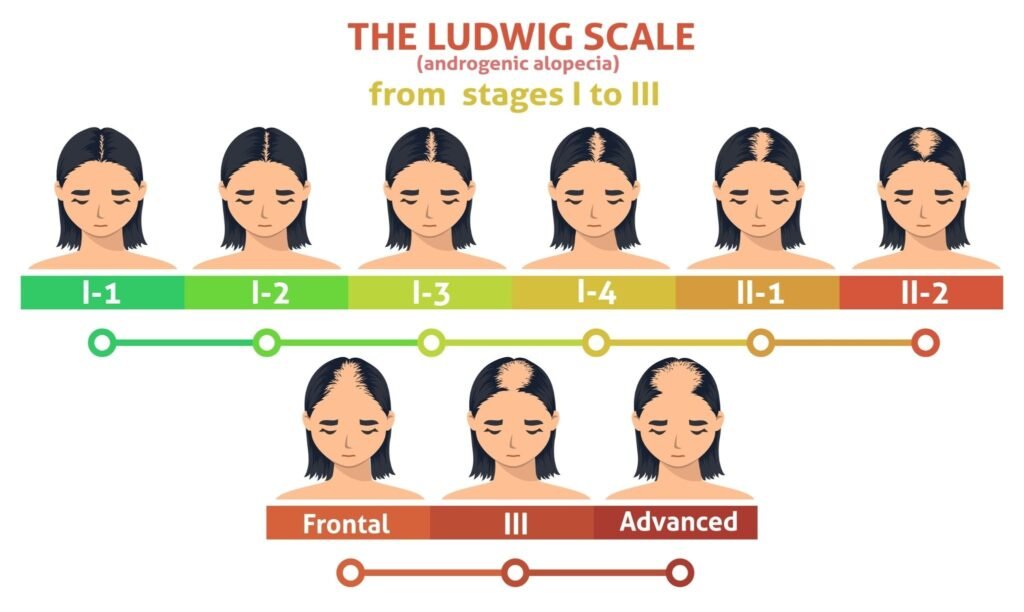
The most common type of hair loss in women is called female pattern baldness. A widening of the part line is a common sign of this condition, while the frontal hairline stays mostly the same. It is a progressive condition, which means that the best way to deal with the change is to get help as soon as possible. A lot of women first notice their hair is thinning when their ponytail feels lighter or when their scalp is easier to see in bright lights.
Diffuse thinning is something that happens to a lot of women. This means that the decrease in density is spread out over the head instead of being in one place. This thinning could also affect the donor area at the back of the head, so a professional needs to look at it closely. Not every woman is a good candidate for surgery right away. Sometimes, medicines or other treatments are suggested first to make the condition stable before moving on to a permanent surgical fix.
The Science Behind Restoring Women’s Hair
When non-surgical options have been used up, many people turn to female hair restoration to get a longer-lasting result. The science behind this is that it moves healthy hair follicles that are resistant to DHT from a strong part of the scalp to the areas where the skin is starting to show. Because women often have different aesthetic goals than men—like keeping their hair long during the process—the techniques used must be very precise.
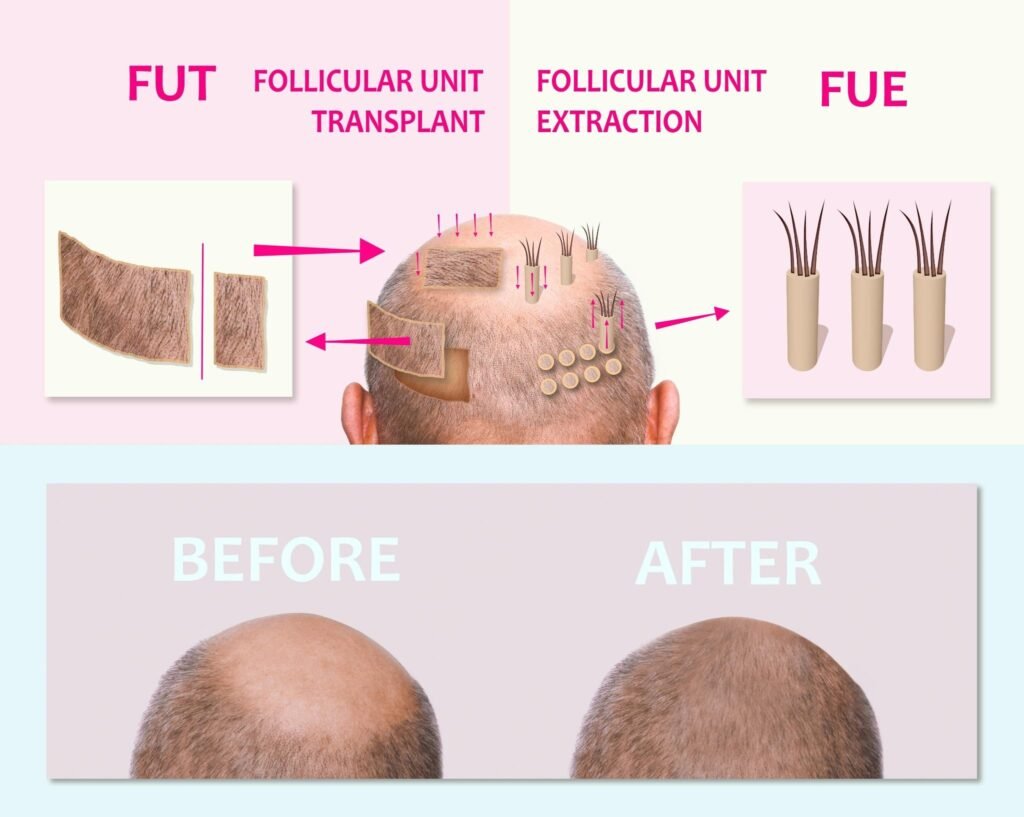
There are two main types of hair transplant procedures that are done in modern clinics. Follicular unit extraction fue is the first method, and it involves taking out individual follicles one at a time. People like this because it doesn’t leave a straight scar, which is great for people who want to wear their hair in different ways. Follicular unit transplant (FUT), also known as the strip method, is the second way. It does leave a fine line at the back, but women sometimes prefer it because it lets them transplant a lot of grafts in one session without having to shave a lot of the donor site.
Getting through the surgery experience
If you decide to have hair transplant surgery, you need to work with a specialised female hair transplant clinic. The medical team focuses on protecting the hair that is already there while carefully placing new grafts to mimic the natural flow and direction of growth during the procedure. The goal is to make a smooth transition so that no one can tell where the transplanted hair ends and the original hair begins.
Accuracy is very important. The surgeon needs to think about the angle of the hair growth so that the new strands lay flat and blend in perfectly with the area around them. This is the kind of detail that makes a hair transplant successful instead of just a regular procedure. For women, keeping the hairline soft and feminine is very important. This requires both artistic skill and surgical skill.
The Growth Timeline and Realistic Expectations
Setting realistic expectations is one of the most important parts of the process. A transplant does not happen right away. After being moved, a hair follicle goes through a resting phase as part of its biological cycle. This means that a few weeks after the female hair transplant, the new hairs will fall out. This is a normal part of the process and you shouldn’t worry about it. The root is still healthy below the surface.
After three to four months, you should start to see new growth. At first, these hairs may be thin and light, but they will eventually get thicker and darker to match the rest of the scalp. Most of the time, you can see full results after about a year. You need to be patient on the journey, but the reward is a permanent increase in density that grows, can be styled, and acts just like natural hair.
Care after surgery and safety
Modern technology has made hair transplant procedures much safer. But how well the patient follows the post-operative instructions also has a big impact on how well the outcome goes. In the first few days, it’s very important to protect the fragile grafts. This means staying out of direct sunlight, not doing heavy exercise, and using special shampoos that don’t bother the scalp.
To deal with women’s hair loss, you need to look at the whole person. Sometimes, the transplant is done with other treatments to keep the original hair healthy. A hair transplant clinic can help make sure that the results are not only beautiful on day one but also stay that way for decades by taking care of the whole scalp environment.
Picking Foliage Hair Expert for Your Trip
Choosing the right team is the most important thing you can do to reach your aesthetic goals. The way Foliage Hair Expert works is based on both empathy and technical skill. We know that hair transplant surgery for women is different from hair transplant surgery for men. The focus is on keeping the natural hairline, density, and softness.
Our team makes sure that each patient gets a personalised plan by using advanced follicular unit extraction (FUE) and follicular unit transplant (FUT) techniques. We don’t think that one size fits all. We make a plan for success based on the person’s hair type, how thin it is, and their long-term goals.
Comparing Hair Restoration for Men and Women
The mechanical process of moving follicles is the same for both men and women, but the strategy is different. Men often want to fix a receding hairline or fill in a bald spot on the top of their heads. Women, on the other hand, usually need to fill in the spaces between their existing hairs to make their hair look fuller. This needs a “dense packing” method that must be done very carefully so that the healthy follicles that are already there don’t get hurt.
Also, the psychological effects of thinning can be different. People often expect women to have a lot of hair, so losing it can be very hard on their emotions. A compassionate hair transplant for women program knows this and gives women the help they need to get through the whole process, from the first consultation to the big reveal of the new growth.
The History of Cosmetic Restoration
Cosmetic medicine is always changing. We now have better ways to store grafts, more accurate tools for extraction, and a better understanding of how the scalp works. These new technologies have made hair transplant surgery more effective and easier to get than ever before. Women don’t have to use temporary fixes like powders or wigs anymore; they can choose a permanent biological solution.
Looking ahead, combining regenerative medicine with traditional transplant methods should lead to even better results. But the most important things are still the same: the surgeon’s skill and the quality of care. Foliage Hair Expert keeps up with the latest developments so that our patients can get the best and most up-to-date treatments available around the world.
Final Reflection on Changing Yourself
It’s not just about how your hair looks; it’s also about getting back the person you see in the mirror. It’s about being able to style your hair however you want, having the confidence to stand under bright lights, and being able to show off your hair without having to hide thinning spots. With the right information and a committed group of people, the way to recovery is clear and possible.
There is a solution that can help, whether you are just starting to notice a change or have been dealing with thinning for years. You can have thick, natural-looking hair for the rest of your life if you focus on getting a successful hair transplant and keeping your scalp healthy. With Foliage Hair Expert, you’ll never have to walk that path alone. The journey is a promise to yourself.
FAQs
Yes, the basic technology, like follicular unit extraction (FUE), is the same, but the plan for a female hair transplant is to make the hair on the whole scalp thicker instead of just fixing a receding hairline. Foliage Hair Expert is an expert in “no-shave” techniques that women often choose to keep their hair the same while they heal.
A lot of women with diffuse thinning can get it, but the donor area needs to be looked at very carefully. The surgeon needs to check the strength of the follicles at the back of the head if they are also thinning. The best way to find out if you qualify is to go to a professional hair transplant clinic for a consultation.
It all depends on the method you choose. Follicular unit transplant fut involves taking off a small strip of skin, which leaves a thin line of scar that is easy to hide with hair around it. Follicular unit extraction (FUE) is the best choice for you if you don’t want any visible scars, even with short hair. This is because it involves tiny, circular extractions that heal almost completely.
When it comes to restoring women’s hair, patience is key. You will probably see the transplanted hair fall out in the first few weeks. After three to four months, new hair growth usually starts. Around six to nine months, the density of the hair gets a lot better. People usually celebrate the final, full result on the one-year anniversary of the surgery.
There are many things that can cause women to lose their hair, such as genetics (female pattern baldness), hormonal changes (like pregnancy or menopause), stress, or not getting enough nutrients. Before getting hair transplant surgery, you need to find out what caused your hair loss. This will help you get the best long-term results.
A female hair transplant can make your hair much thicker and cover up areas of your scalp that are visible, but it may not be exactly the same as the density you had when you were a teenager. The goal is to make your hair look fuller and more natural, as if it were already there. When you come in for a consultation at Foliage Hair Expert, we’ll show you exactly what you can expect based on how much donor hair you have.