
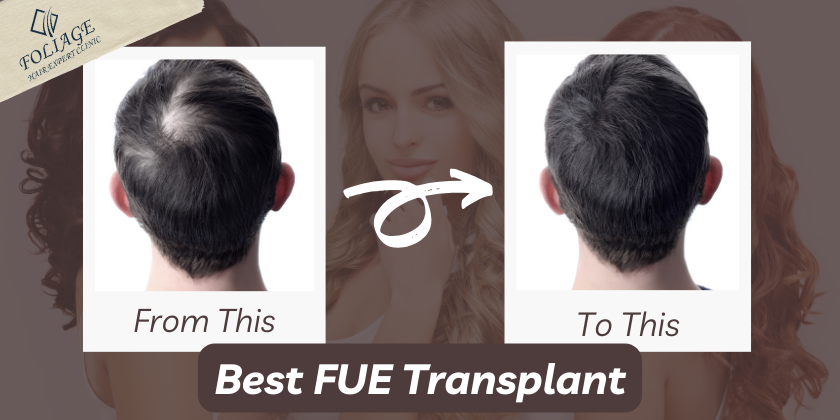
People of all ages can lose hair and go bald. It affects a lot of people’s self-esteem and how they look overall. Medical science has come up with effective hair loss treatments that work for a long time. Among these options, the Best FUE Transplant has gotten a lot of attention for being able to regrow hair using a method that doesn’t hurt and looks natural. Clinics that follow international standards use medical knowledge, careful planning, and modern tools to make sure that the results are safe and effective.
Foliage Hair Expert specialises in advanced hair transplant methods that are meant to bring back the natural density of hair while keeping the scalp healthy. This guide goes over how hair transplantation works, the benefits of the fue technique, and how good planning can help you get the best results with hair restoration.
Learning about hair loss and what causes it
Genetics, hormonal changes, stress, medical conditions, or lifestyle choices can all cause hair loss. Androgenetic alopecia, also known as pattern baldness, is the most common cause of hair loss in both men and women. It slowly thins out the hair follicles, which makes the hairline or crown look thinner.
Hair follicles can also become weaker because of things like bad nutrition, too many chemical treatments, and some medications. Doctors can choose the best hair loss treatments if they know what is causing the hair loss. Patients can look into their options before their hair loss gets worse if they talk to a qualified specialist early on.
A medical evaluation includes looking at the scalp, going over the patient’s medical history, and figuring out how many grafts are needed for good coverage. Once the cause is known, doctors suggest the best ways to treat it.
What is a hair transplant?
Hair transplantation is a medical procedure in which healthy hair follicles are moved from one part of the scalp to another that is thinning or bald. The donor area usually has strong hair roots that keep growing even after the transplant.
The goal of a hair transplant is to keep the natural growth pattern of the scalp. Doctors carefully place each follicular unit so that it matches the angle and direction of the hair that is already there. This careful method helps get results that look real.
Over the last 20 years, hair transplant surgery has gotten a lot better. In the past, some methods involved taking off a piece of scalp, which could leave a straight scar. The fue hair transplant is a modern solution that avoids that problem by taking out individual follicles without making big cuts.
What the FUE Technique Is Based On
Follicular unit extraction, or the fue technique, is one of the most advanced ways that clinics do hair transplants today. It means taking out individual follicular units from the donor area and putting them into the recipient area.
One to four hair follicles make up each follicular unit. Small medical tools made for accuracy are used to collect these units. There is no need for big cuts or stitches because the extraction is done one at a time.
There are a number of benefits to this method. It doesn’t hurt as much, doesn’t require as much recovery time, and lets patients get back to their normal activities faster. Small extraction points heal on their own in a short amount of time.
Clinics that use the latest technology can very accurately control the depth and angle of extraction. This helps keep the tissue around it safe and makes sure the graft stays healthy.
Why Patients Pick Advanced Hair Transplant Techniques
Modern patients like advanced hair transplant procedures better because they give more natural results with less risk. Doctors can now make hairlines that look real and blend in with existing hair thanks to better surgical tools and training.
One good thing about the fue hair transplant is that there is no visible linear scar. This is important for people who like short hair or don’t want to see many signs of surgery.
Another plus is that you can transplant more grafts in more than one session. Skilled surgeons can plan each step carefully so that the donor area stays healthy while the recipient area gets more coverage.
Patients also like that they don’t have to wait as long to get better as they did with older methods. Many people go back to work within a few days with the right aftercare.
How to Plan a Successful Hair Transplant
Planning in detail is the first step to a successful hair transplant. Before suggesting a treatment plan, doctors look at a number of things.
Strength of the donor area and hair density
The follicles in the donor area need to be strong and healthy. Experts look at the density of this area to figure out how many grafts can be safely taken out.
Design for Hairline
To make a natural hairline, you need to know both art and medicine. Surgeons make a hairline that fits with the patient’s face shape and age.
How Many Grafts Are Needed
The number of grafts needed depends on how much hair is missing and how much area needs to be covered. Some patients may need a smaller session, while others may need bigger procedures spread out over several sessions.
History of Health
Doctors check the patient’s medical history and medications to make sure that hair transplant surgery is safe for them.
A step-by-step look at the procedure
The hair transplant process usually takes a few hours, but it depends on how many grafts you need. It is done with local anesthesia to make the patient more comfortable.
Getting the Donor Area Ready
Before the extraction begins, the donor area is cleaned and set up. You can cut your hair shorter so you can see better while you work.
Taking out follicular units
The surgeon uses the fue technique to take out single follicular units. To keep the hair follicles healthy, each graft is handled with care.
Keeping the graft safe
Before implantation, collected grafts are kept in a controlled environment to keep them alive.
Making Recipient Sites
Small channels are made in the area where the hair will go based on the planned hairline and density.
Putting in Hair Follicles
Each follicular unit is carefully put into the prepared channels. The direction and angle are changed to make it look like hair is growing naturally.
This careful method makes sure that the transplanted hair looks natural by blending in with the hair that is already there.
How technology is used in modern hair transplant clinics
Modern hair transplantation relies heavily on cutting-edge technology. Doctors can do accurate extraction and implantation with high-precision tools.
Digital scalp analysis can help find healthy donor zones. Advanced microscopes help technicians look at the quality of grafts. These tools help clinics keep up with international safety and quality standards.
Many clinics also use special storage solutions to keep grafts safe during the procedure. This raises the chances of survival and helps hair grow back after surgery.
Why it’s important to have skilled medical professionals
A very skilled team is needed for hair transplant surgery. Surgeons need to know about dermatology, cosmetic surgery, or hair restoration medicine.
Doctors can handle different types of hair, scalp problems, and amounts of hair loss thanks to their experience. Skilled professionals also know how to keep the donor area safe while getting natural density.
Patients should pick a hair transplant clinic that has experienced surgeons and a good medical infrastructure. Clinics that follow international standards put hygiene, patient safety, and ethical treatment first.
Getting better and taking care of yourself
It is usually easy to recover after a minimally invasive transplant. Patients get clear instructions on how to heal and keep their new grafts safe.
The scalp may feel a little sore for the first few days. Doctors often suggest washing gently and staying out of direct sunlight.
Around the graft sites, small scabs may form. These usually fall off on their own in one to two weeks.
After a few weeks, transplanted hair may fall out for a short time. This is a normal part of the growth cycle. Within a few months, new hair starts to grow from the implanted follicles.
Following your doctor’s advice closely will increase your chances of having hair grow back.
Long-Term Outcomes and Upkeep
Hair transplantation makes things better in the long run because the hair follicles that are transplanted keep their genetic resistance to hair loss. When they start to grow, they act like real hair and can be washed, cut, or styled like normal.
But the hair that is already there around the transplant area may still get thinner over time. To keep overall density, doctors may suggest hair loss treatments like medication or therapy.
Regular follow-up visits let specialists keep an eye on progress and deal with any problems. If you take care of your hair transplant surgery, the results can last for many years.
How to Pick the Best Hair Transplant Clinic
One of the most important things you can do to restore your hair is choose the right clinic. Before choosing a provider, patients should think about a number of things.
Medical Knowledge
The clinic should have skilled surgeons who are experts in advanced hair transplant procedures.
Tools and technology
Modern tools help make sure that the procedure is safe and accurate.
Standards for cleanliness and safety
Facilities must follow strict medical rules and keep their operating areas clean.
Open Consultation
A professional clinic gives clear information about the different treatment options, what to expect, and how long it will take to recover.
Reviews from Patients
Reading reviews from past patients can give you a good idea of how good the clinic is and how well it does its job.
Foliage Hair Expert’s main goal is to use modern technology and medical knowledge to get results that look natural.
The Benefits of Modern Hair Restoration
Hair restoration has made many people’s lives better by giving them back their natural look and boosting their confidence. Advanced methods have a lot of benefits.
The process is minimally invasive, so patients don’t feel much pain. Not having a big cut stops a visible linear scar from forming.
Putting grafts in the right places helps get the right density and natural hairlines. Experienced surgeons can also change the procedure to fit the type of hair and the shape of the scalp.
You can also do the treatment in stages, which is another benefit. This lets patients get better little by little without putting too much stress on the donor area.
Trends in Hair Transplant Technology for the Future
Scientists in the field of hair restoration are always coming up with new tools and ways to treat hair loss. Researchers are looking into better ways to keep grafts alive and speed up healing.
Some clinics are starting to use robots to help with extraction and implantation to make sure they are done correctly. Advanced imaging systems also help doctors make hairlines that are more accurate.
Even though technology changes, the success of any procedure still depends on the skill of the medical team and how well they care for the patient.
The Best FUE Transplant is still one of the best options for people who want to restore their hair naturally with little recovery time.
FAQs
The follicular unit extraction method is used in this procedure. It takes hair follicles from a donor area and puts them in areas that are thinning. This method helps hair grow naturally and makes scars less noticeable.
How long it takes depends on how many grafts are needed. Most procedures take four to eight hours and can be done in one day.
Patients feel very little pain during the treatment because it is done with local anesthesia. After the procedure, you may feel a little sensitive, but this usually goes away in a few days.
Follicles that have been transplanted usually start making new hair three to four months later. Depending on the person, it could take up to twelve months for full growth.
The hair follicles that were transplanted usually still have their natural ability to keep hair from falling out. With the right care and medical advice, the effects can last for a long time.
Patients should choose a hair transplant clinic that has experienced surgeons, modern technology, good reviews from past patients, and follows international standards.