Hair Care

Ayurvedic treatments for hair fall

Knowledge about Ayurvedic treatments for hair fall

People typically look for natural ways to get thick, shiny hair that deal with the root of the problem instead of just the symptoms. People in Jammu’s neighbourhoods, from the old streets of Ragunath Bazar to the new blocks of Sainik Colony, are using old ways to deal with hair problems caused by stress in modern times. A balanced way to keep your scalp healthy is to combine what you know about history with what you know about modern medicine. The Beginning of Hair Care in the past In the traditional Indian medical system, hair is thought to be a waste product of bone tissue metabolism. When the body’s internal balance is off, the scalp is generally the first place to show signs of imbalance. To make sure that hair follicles get the nutrients they need, the three main energies—Vata, Pitta, and Kapha—must stay in balance. People who live in busy places like Gandhi Nagar or Trikuta Nagar may have problems with their Pitta dosha because of things like dust and pollution. This can cause inflammation and hair loss. Ayurvedic therapies for hair loss by foliage hair experts. emphasis on finding these precise imbalances so that you may make a care plan just for you. Used to nourish the scalp Using specific oils on your hair on a regular basis is one of the best ways to help it. These oils carry strong herbs for hair deep into the skin. Strong herbs that help hair grow Nature provides a vast pharmacy of botanical ingredients that are clinically proven to assist in hair growth. By incorporating these into a daily routine, individuals in Channi Himmat or Nanak Nagar can see a measurable difference in hair density. Amla (Indian Gooseberry) Amla is a powerhouse of Vitamin C and antioxidants. It helps in the production of collagen, which is vital for hair strength. Regular use of Amla-infused products can prevent premature greying and strengthen the hair follicles. Bhringraj (The King of Herbs) Literally translated as “the ruler of hair,” Bhringraj is perhaps the most famous of all ayurvedic herbs. It encourages blood circulation to the scalp, ensuring that each strand receives ample nutrients. Brahmi Brahmi is excellent for those experiencing hair loss due to stress. It has a calming effect on the mind and helps in creating a protective layer around the hair fibers, reducing split ends and brittleness. Comparison of Popular Hair Herbs Herb Primary Benefit Best For Amla Antioxidant Boost Strength and Shine Bhringraj Follicle Activation Regrowth and Density Brahmi Stress Relief Preventing Thinning Neem Scalp Purification Dandruff and Itchiness The Function of Aloe Vera in Natural Hair Care Aloe vera is a versatile plant found in many gardens across Shastri Nagar and Canal Road. Its gel contains proteolytic enzymes which repair dead skin cells on the scalp. It also acts as a great conditioner and leaves your hair all smooth and shiny. For people in the industrial zones of Bari Brahmana or Gangyal, where the air might be harsher, aloe vera provides a soothing barrier against environmental toxins. It balances the pH level of the scalp, which is essential for preventing the clogging of pores. Localised Care in Jammu’s Areas The geographical diversity of Jammu means that different areas face different hair challenges. A Whole-Person Approach to Diet and Lifestyle True ayurveda hair health comes from within. A diet rich in iron, zinc, and vitamins is non-negotiable. Research opinions on Conventional Approaches While ancient texts provide the map, modern science provides the confirmation. Many Ayurvedic treatments for hair fall by foliage hairexperts. are now supported by studies showing that herbal extracts can be as effective as some synthetic alternatives but with fewer side effects. For instance, the antimicrobial properties of certain herbs for hair have been shown to effectively manage Malassezia, the fungus responsible for dandruff. By maintaining a clean and infection-free environment, the scalp remains a fertile ground for natural hair to flourish. How to Start an Ayurvedic Hair Routine If you are just starting your journey toward better hair health in Bakshi Nagar or Sainik Colony, follow these simple steps: Dealing with hair loss at different times in life Hair needs change as we age. For the youth in Jammu University Road, the focus is often on prevention and managing oiliness. However, for older adults in Trikuta Nagar, the priority shifts to preventing miniaturization of the follicles and maintaining thickness. Ayurvedic treatments for hair fall by foliage hairexperts. offer specific solutions for postpartum hair thinning, age-related balding, and even seasonal shedding during the monsoons in Jammu. The reason go for natural instead of synthetic? Many commercial products contain sulfates and parabens that can damage the scalp over time. In contrast, using natural hair care products ensures that you are not exposing your body to harmful toxins. Ingredients like aloe vera and ayurvedic herbs work in harmony with your body’s biology. Whether you are shopping in Ragunath Bazar or looking for professional advice in Channi Himmat, opting for nature-inspired solutions is a sustainable choice for your long-term health. End and next steps It takes time and effort to take care of your hair. It’s easier than ever to get the hair of your dreams because of the wisdom of the past and the convenience of current locations all across Jammu. The simple gifts of nature can frequently help with your hair problems, whether you’re in the quiet streets of Nanak Nagar or the hectic marketplaces of Apsara Road. might you like me to help you make a weekly hair care schedule that works for the weather in Jammu? FAQs

Knowledge about Ayurvedic treatments for hair fall Read More »
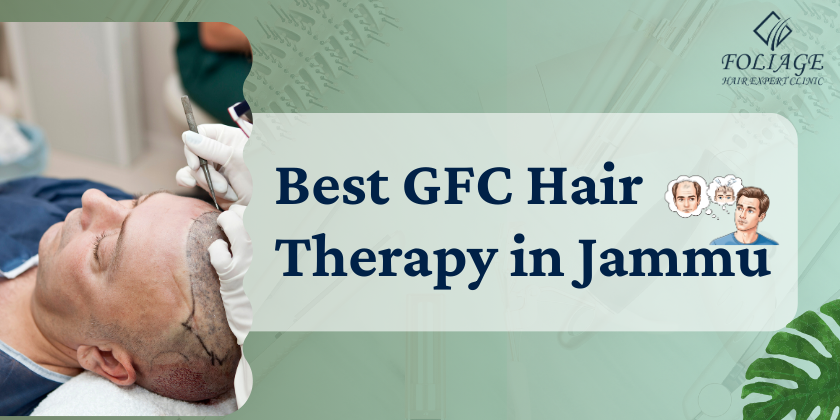
Best GFC hair therapy in Jammu

Top-Rated Jammu-Based Growth Factor Concentrate Hair Therapy for Both Men and Women

The process of dealing with hair loss, which impacts one’s looks and self-confidence, can be a challenging one for many people. People in Jammu’s trendy neighbourhoods, such Gandhi Nagar and Ragunath Bazar, are looking for cutting-edge medical treatments for hair thinning and balding. Growth Factor Concentrate (GFC) treatment is among the best solutions out there right now, and it has the support of science. For those looking for the best gfc hair therapy in jammu by foliage hairexperts., understanding the process, benefits, and local availability is the first step toward reclaiming a full head of hair. Understand GFC Therapy: A Comprehensive Overview Using the body’s own healing capabilities, GFC therapy is a cutting-edge method for restoring hair. In contrast to previous approaches, GFC is a purified and concentrated version of growth factors extracted from the patient’s blood. Hair follicles receive their instructions to develop, mend, and flourish from these growth factors. A routine blood sample is the first step while visiting a clinic in Channi Himmat or Trikuta Nagar. The growth factors are extracted from the blood by means of a specialised centrifuge. Next, they are injected into the scalp, aiming towards places where hair is thinning or where follicles are dormant. The Science Behind GFC Human blood contains platelets which are rich in growth factors like Platelet-Derived Growth Factor (PDGF), Vascular Endothelial Growth Factor (VEGF), and Insulin-like Growth Factor-1 (IGF-1). What Makes GFC a Better Option Than Common PRP? Many residents in Nanak Nagar and Satwari often ask how GFC differs from the well-known Platelet-Rich Plasma (PRP) therapy. While both use your blood, GFC is a more refined version. An Analysis of GFC and PRP Feature Growth Factor Concentrate (GFC) Platelet-Rich Plasma (PRP) Purity Pure growth factors (no blood cells) Contains platelets and some RBCs/WBCs Comfort Minimal pain and swelling Potential for mild inflammation Efficiency Faster results (3-4 sessions) Slower results (6+ sessions) Consistency Highly standardized Varies based on preparation Hair Care in Jammu’s Neighbourhoods: A Local Perspective Accessing high-quality hair care should be convenient. Whether you live in the industrial hub of Bari Brahmana or the residential blocks of Sainik Colony, professional help is within reach. Targeting Growth in Commercial Hubs Businesses in Gangyal and Narwal are increasingly recognizing the importance of professional grooming and health. Employees and business owners in these areas often face high levels of stress, which is a major contributor to hair fall. GFC therapy offers a non-surgical way to maintain a youthful look without the downtime of a hair transplant. Student and Youth Hubs Areas near Canal Road and Bakshi Nagar are home to many students and young professionals. Early-stage thinning is common in this age group due to lifestyle factors and pollution. For these individuals, starting the best gfc hair therapy in jammu by foliage hairexperts. early can prevent future balding and maintain current hair density. Suburban Growth Towns like RS Pura, Vijaypur, and the surrounding regions of Kunjwani are seeing a rise in specialized health services. Patients from these areas no longer need to travel outside the UT for advanced treatments. Local clinics in Jammu city, particularly those near BC Road and Trikuta Nagar, serve as central hubs for these growing suburbs. Preparation for Your GFC Session If you are planning a visit to a clinic from Talab Tillo or Apsara Road, here is a step-by-step look at the typical procedure: Tips for Optimising Results After Treatment To get the most out of your sessions, follow these simple guidelines: For GFC, who would be the best candidate? GFC therapy works best for people in the early to middle stages of hair thinning. It is effective for: For people in Sainik Colony or Channi Himmat who have reached total baldness, a hair transplant might be a more suitable option, but GFC is often used as a supportive therapy to speed up recovery after a transplant. How Technology Affects Hair Care Today The shift toward GFC therapy represents a broader trend in Jammu toward medical-grade aesthetics. Clinics near Apsara Road and Gandhi Nagar are investing in modern equipment to ensure patient safety and hygiene. Using sterile, single-use kits is a standard practice that builds trust with the local community. The precision of GFC makes it a “smart” treatment. Instead of applying general chemicals to the scalp, you are using the exact biological building blocks your hair needs to grow. This localized approach is why it is becoming the preferred choice for residents in Satwari and Shastri Nagar. Getting people in Jammu to trust you Hair is more than just a physical feature; it is a part of our identity. For many people in RS Pura, Vijaypur, and across Jammu, hair loss can lead to social anxiety. Investing in professional hair restoration is an investment in your mental well-being and confidence. By choosing advanced treatments like GFC, you are taking a proactive step. The convenience of having world-class therapy available in Jammu, close to neighborhoods like Nanak Nagar and Talab Tillo, makes it easier than ever to start your journey. In finalisation and Future Outlook The way people take care of their hair in Jammu is changing. You don’t have to rely on useless oils or “miracle” shampoos anymore now that Growth Factor Concentrate treatment is available. The best solutions are now based on science. Whether you’re trying to get through the crowded streets of Ragunath Bazar or find a quiet clinic in Sainik Colony, there are more possibilities for hair restoration than ever before. It’s important to act quickly. If you see that your hair is getting thinner, seeing a doctor in Gandhi Nagar or Trikuta Nagar can help you avoid losing more hair in the future. Anyone in Jammu may realistically have a fuller, healthier head of hair with the appropriate professional treatment and a focused strategy. Neighborhood Service Areas in Jammu Really you like me to help you make a customised list of things to bring to your first hair therapy appointment in Jammu? FAQs

Top-Rated Jammu-Based Growth Factor Concentrate Hair Therapy for Both Men and Women Read More »

Achieving Facial Fullness: A Broad Introduction to Today’s Beard Transplant

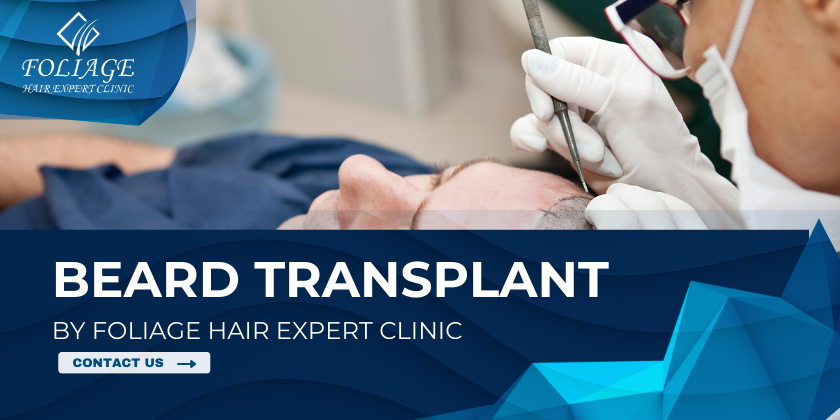
A broad, well-defined beard has been a sign of manliness and distinctive flair for a long time. But for a lot of guys, genetics, scarring, or health problems make it hard to get that thick, rough look. When patches show up or beard growth stays thin even after using different grooming products, getting help from a professional is a good option. This is where a beard transplant offers a permanent solution for those seeking to redefine their facial profile. We at Foliage Hairexperts put patient safety and natural-looking results first. Men can make smart choices about how they look by learning about the science behind shifting hair from one place of the body to another. This article goes over how the surgery works, what to expect during the healing phase, and what to expect on the way to a fuller beard. Why Facial Hair is Important Many people think that being able to grow a beard is a sign of self-confidence. Some people like the clean-shaven image, while others think that a patchy beard doesn’t look mature or tough enough. There are a number of things that can cause the cheeks, chin, or moustache area to not be dense: The Science Behind Hair Restoration The main part of any facial hair procedure is moving healthy follicles. Facial work is much more artistic than scalp procedures that cover big patches of baldness. To make sure the results don’t look “pluggy” or fake, the surgeon needs to match the direction, angle, and density of the existing hairs. The Donor Area The source of the new hair is crucial. Typically, the surgeon selects the back or sides of the scalp as the donor area. These hairs are genetically programmed to be resistant to the factors that cause hair loss. In some cases, if the scalp hair is too fine or unavailable, other body hair—such as chest or existing lower beard hairs—can be utilized. The Recipient Areas The areas receiving the new follicles are known as the recipient areas. These usually include the beard line, the mustache, the soul patch, and the sideburns. The skin on the face is thinner and more sensitive than the scalp, which means the surgeon must use specialized tools to create tiny openings for the hair grafts. Getting to know how hair transplants work There are two primary techniques used in the industry today. While both involve moving hair, the method of extraction differs significantly. The FUE Method Follicular unit extractions (FUE) have become the gold standard for facial restoration. In this process, the surgeon uses a motorized micro-punch tool to harvest individual follicles one by one. This method is preferred for the face because it does not leave a linear scar. Instead, it leaves tiny, dot-like marks in the donor zone that become virtually invisible once the surrounding hair grows back. Follicular Unit Transplant (FUT) Though less common for the face, a follicular unit transplant involves removing a small strip of tissue from the donor site. The follicles are then dissected under a microscope before being placed in the face. While this can provide a large number of grafts required for major reconstructions, the linear scar it leaves behind makes it less popular for men who prefer to keep their hair short. Finding out how many grafts are needed One of the most common questions involves the volume of hair needed. The count depends entirely on the current state of the beard and the patient’s goals. The Step-by-Step Process A typical session at Foliage Hairexperts follows a structured path to ensure comfort and precision. Consultation and Design The process begins with a design phase. The surgeon draws the new beard line, taking into account the patient’s bone structure and facial symmetry. This is the time to discuss the thickness and shape. Extraction and Preparation Under local anesthesia, the follicles are harvested using the fue method. These hair grafts are then sorted and cleaned. Single-hair units are used for the edges of the beard to create a soft, natural transition, while multi-hair units provide density in the center. Implantation This is the most time-consuming part. The surgeon meticulously places the hairs transplanted into the face at a very shallow angle. On the cheeks, hair grows downward; on the chin, it may grow in different directions. Replicating this is what defines a successful surgery. Handling Expectations: Costs and Side Effects Investing in your appearance is a big step, and it is important to be aware of the logistical side. Beard Transplant Cost The beard restore cost is generally calculated per graft. Factors affecting the price include the surgeon’s experience, the technology used, and the geographic location of the clinic. While it may seem like a high upfront cost, many men view it as a permanent investment that removes the need for expensive “thickening” serums or temporary fillers. Potential Side Effects Like any surgical intervention, there are minor side effects to monitor. Most patients experience: These symptoms are part of the natural healing process and typically resolve within a week. Recovery and Post-Op Care The first 48 hours are the most critical. Patients are advised not to touch or wash their face during this window to allow the grafts to take root. By day five, gentle washing is permitted. The Shedding Phase Many patients panic about two weeks after surgery when the hairs transplanted begin to fall out. This is a normal phenomenon known as “shock loss.” The hair shaft falls out, but the follicle remains healthy and dormant beneath the skin. New beard growth usually begins after three to four months. Long-Term Maintenance Once the beard has fully matured (usually around the 9 to 12-month mark), it can be treated just like a natural beard. You can shave it, trim it, and style it. Because the hair comes from the scalp, it will continue to grow at the same rate as the hair on your head, meaning regular trimming will be necessary to keep it at the desired length.

Achieving Facial Fullness: A Broad Introduction to Today’s Beard Transplant Read More »

The Science of a Facial Hair Restoration Tips-Mustache Transplant by Foliage Hair Experts

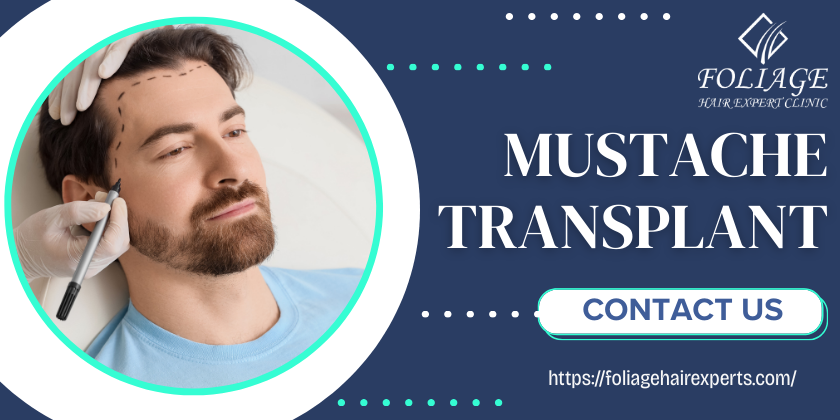
Facial hair is a defining feature for many men that makes them feel more confident and grown up. But sparse or uneven growth on the upper lip can make them feel less confident. This is a common problem that can be caused by genetics, scarring, or medical conditions. Fortunately, modern medical advancements have made it possible to achieve a fuller look through a dedicated mustache transplant procedure. This permanent fix lets hair grow in a way that looks natural and fits in perfectly with the rest of your face. At Foliage Hair Experts, our main goal is to give our clients results that look real. We help people from Jammu, Delhi NCR, Mumbai, Ludhiana, and Chandigarh reach their aesthetic goals by using the most up-to-date methods for restoring facial hair. This guide goes into detail about the procedure, from the first consultation to the last recovery. Explaining the Necessity for Facial Hair Restoration A thick, well-defined moustache is not just a matter of vanity; it may also be about face symmetry and self-expression. Many men have trouble with uneven areas or not growing at all. Here are some possible reasons why this happens: For those who have tried topical solutions without success, a surgical approach offers a reliable and lifelong fix. Who Is a Good Candidate? Not everyone is an immediate fit for this surgery. A good candidate is typically someone who has sufficient scalp hair or beard hair to serve as a donor source. During a consultation at our clinics in Delhi NCR or Mumbai, our hair restoration surgeons evaluate the following: The Mustache Transplant Procedure Explained The process of a moustache hair transplant is a refined version of traditional scalp restoration. It requires a high level of precision because the face is highly visible and the skin is thinner than the scalp. Step 1: Design and Planning The first step involves sketching the desired shape of the mustache. Our experts work with patients in cities like Ludhiana and Chandigarh to design a look that complements their jawline and facial structure. Step 2: Extracting the Grafts Most modern procedures use the Follicular Unit Extraction (FUE) method. Using a micro punch tool, the surgeon harvests individual follicular units from the donor area. These units are typically taken from the back of the head because scalp hair closely mimics the texture and growth cycle required for the face. In some cases, beard hair can also be used if the texture is a better match. Step 3: Preparing the Recipient Site Small, precise incisions are made in the upper lip area. The angle and direction of these incisions are critical. Mustache hair naturally grows downward and slightly outward; hence, the surgeon must replicate this pattern to ensure natural results. Step 4: Implantation The harvested hair grafts are then carefully placed into the incisions. The number of grafts required usually ranges between 300 to 700, depending on the desired density. This part of the moustache transplant procedure is delicate and can take several hours to complete. Recovery and Long-Term Care After the surgery, the body needs time to heal. Patients might notice some minor side effects such as redness, swelling, or small scabs around the recipient area. These are normal and usually fade within a week. The Growth Timeline It is important to remember that the transplanted hair will initially shed. This is a natural part of the process called “shock loss.” After about three months, the new hair will start to grow from the relocated follicles. By the six-to-nine-month mark, you will see a significant increase in density. Maintenance Once the hair has matured, it can be treated just like a natural mustache. You can trim it, style it, and even shave it. The hair will continue to grow for a lifetime because the follicles were taken from a permanent donor area. Technical Comparison of Methods Feature FUE (Follicular Unit Extraction) FUT (Follicular Unit Transplantation) Extraction Tool Micro punch Scalpel (Strip method) Scarring Tiny, dot-like scars (barely visible) Linear scar in the donor area Recovery Time Fast (usually 2-5 days) Longer (10-14 days for stitches) Ideal For Small areas like mustache transplant Large-scale hair restoration Availability in Different Areas and Expert Care Foliage Hair Experts provides specialized care across Northern and Western India. Whether you are seeking a beard transplant to connect with your mustache or a standalone procedure, our centers are equipped with the latest technology. Our hair restoration surgeons are trained to handle complex cases, including those involving alopecia areata or extensive facial scarring. We prioritize safety and natural aesthetics above all else. Figuring out Grafts and Density The success of a beard and moustache procedure depends heavily on the quality of the hair grafts. Each graft contains one to four hairs. For the upper lip, surgeons often prefer single-hair follicular units at the borders to create a soft, natural edge, while multi-hair units are used in the center for density. The number of grafts is determined during the initial evaluation. A thin mustache might only need 300 grafts, while a full reconstruction could require significantly more. By using micro punch technology, we ensure that the trauma to the skin is minimized, which leads to a faster recovery and better survival rates for the follicles. Overall Thoughts Getting a moustache transplant is a big decision. It will affect your face permanently and change the way it looks. By selecting an experienced team like Foliage Hair Experts, you ensure that the procedure is performed with the highest standards of medical care. If you are tired of a patchy look and want a permanent solution that offers natural results, contact our offices today. Whether you are in Delhi NCR, Mumbai, Ludhiana, or Jammu, we are here to help you regain your confidence with professional facial hair solutions. Would you like me to set up a virtual meeting with one of our top surgeons to talk about your unique facial hair goals? FAQs

The Science of a Facial Hair Restoration Tips-Mustache Transplant by Foliage Hair Experts Read More »

Meso hair therapy

Restoring Your Scalp: A Broad Overview to Meso hair therapy

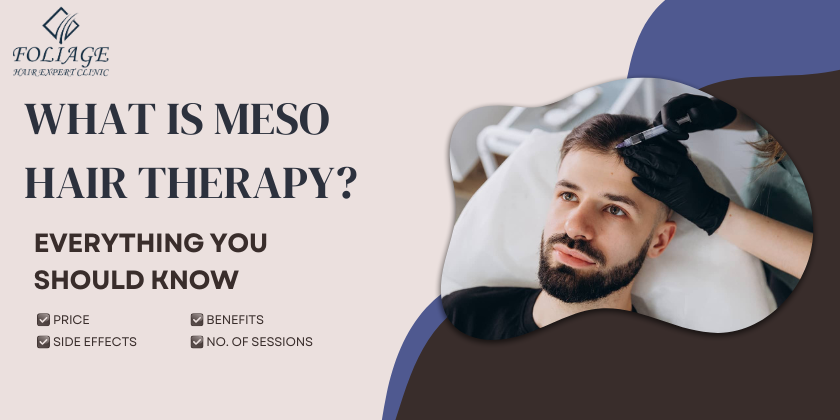
Hair is a strong sign of who you are and how healthy you are. People generally look for ways to fix things when they see more strands in the comb than usual. There are therapies that only work on the surface, but real repair happens below the surface. If you have thinning or shedding hair, the first step to getting better is to learn about the biological causes and modern medical treatments. Foliage Hairexperts is an expert in offering sophisticated solutions that deal with these problems right at the source. One of the most effective non-surgical options available today is Meso hair therapy, a technique designed to revitalize the scalp and nourish the hair from within. The Biological Basis of Hair Growth To figure out how clinical treatments work, we must first look at how hair grows. Every hair on your head goes through a cycle of growth (anagen), transition (catagen), and rest (telogen). About 90% of the hair on a healthy scalp is growing. But things like heredity, stress, or changes in hormones can throw this equilibrium off. When the cycle is broken, the hair follicle starts to get smaller. This is called miniaturisation. This happens a lot to men and women who are losing hair because of genetics. To keep this cycle going, the scalp needs a steady supply of nutrients and oxygen. Each follicle is surrounded by little blood arteries that give cells the energy they need to divide. When blood flow is bad or when you don’t get enough important vitamins, your hair can become weak and fall out. Modern science has figured out how to get these nutrients to where they are required the most. This direct approach is what makes clinical scalp treatments work so much better than shampoos you can buy at the store that simply clean the surface of the skin. Getting to Know Pattern Hair Loss There are several different problems that might cause hair loss. Androgenetic alopecia is the most frequent type for both men and women. Men often have a receding hairline or thinning at the crown, which is called pattern baldness. For women, it usually shows up as a wider portion or general thinning across the top of the head, which is sometimes called female pattern hair loss. Androgenetic alopecia needs to be treated in more than one way. This illness is caused by a sensitivity to dihydrotestosterone (DHT), hence the purpose of any treatment is to stop this hormone from working while also giving the body the building blocks it needs to produce new cells. It is possible to slow down the thinning of hair and even reverse part of the miniaturisation that has already happened by encouraging hair growth through nutrition and mechanical stimulation. What is Mesotherapy, Exactly? Mesotherapy is a method that puts active compounds into the mesoderm, which is the middle layer of the skin. This layer is very easy to treat because it has the connective tissue and the base of the hair roots. Meso hair therapy uses this delivery mechanism to give you a personalised “cocktail” of substances that are meant to stop hair loss and make the hair thicker overall. This procedure makes sure that 100% of the active substances arrive to the target location, unlike oral supplements, which have to go through the digestive system and are spread throughout the body. This makes the treatment very effective and lets you use far smaller quantities of active ingredients while getting superior outcomes. To make the treatment as comfortable as possible for the patient, these liquids are injected with very fine, specialised needles. The Strength of Nutrients and Growth Factors The success of this treatment lies in the specific ingredients used in the solution. Every scalp is different, so the mixture is often tailored to the individual’s needs. Key components often include: By introducing these growth factors directly into the scalp, we can stimulate hair growth in follicles that have become dormant. This provides a biological “jumpstart” to the hair cycle. The presence of these nutrients also strengthens hair from the base, making each strand thicker and more resilient to breakage. The Treatment Process and Experience A lot of people find the thought of scalp injections scary. The process, on the other hand, is meant to be as little invasive as feasible. A normal session lasts between 30 and 45 minutes. The clinician cleans the scalp first to make sure it is clean. Then, a specific gadget or a hand syringe with a micro-needle is used to give the nutrient solution to the affected areas. People typically say that the feeling is like a little pinch or a “tap.” Most people find it extremely easy to deal with and can go back to their normal lives right after leaving the clinic. This ease of use is one reason why busy professionals who can’t afford the time off that comes with more invasive surgeries have grown so interested in mesotherapy for hair loss. Feature Description Primary Goal To reduce hair loss and increase density. Key Mechanism Direct delivery of nutrients to the hair follicle. Target Audience Male and female patients with early to mid-stage thinning. Average Duration 30 – 45 minutes per session. Recovery Time Immediate return to daily activities. Timing and Results: The 15-Day Cycle Consistency is the cornerstone of hair restoration. Because hair grows slowly, patience is required to see the full impact of any clinical intervention. A standard protocol often involves a series of mesotherapy sessions spaced apart to allow the scalp to absorb the nutrients and respond to the stimulation. A common interval is roughly 15 days between visits during the initial phase of treatment. This timeframe is strategic. It aligns with the natural healing response of the skin and ensures that the levels of growth factors in the scalp remains high enough to keep the follicles in the growth phase. Most patients begin to notice reduced hair fall within the first three to four sessions. By the

Restoring Your Scalp: A Broad Overview to Meso hair therapy Read More »

Being aware PRP Hair Treatment Price by Foliage HairExperts: An Introduction of Hair Restoration Prices

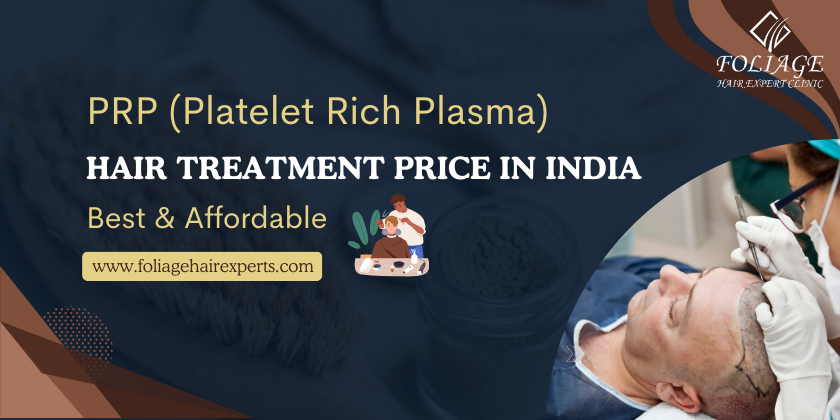
Millions of individuals worldwide are concerned about hair loss. Platelet-Rich Plasma (PRP) therapy has become a well-liked non-surgical option for hair restoration as many people look for efficient ways to restore their hair. PRP hair treatment offers a natural remedy for thinning or receding hair by stimulating hair growth using your own blood. One of the key considerations when opting for PRP therapy is understanding the PRP hair treatment price.This article will examine how much PRP treatments cost, what influences the cost, how many sessions are usually needed, and how PRP stacks up against other hair restoration techniques. PRP Hair Treatment: What Is It? Platelet-Rich Plasma (PRP) therapy is a medical treatment that involves using a patient’s own blood to promote hair growth. The procedure begins with drawing the patient’s blood, which is subsequently processed to separate the platelet-rich plasma. After that, the PRP is injected into the scalp at the injection sites where hair loss or thinning is taking place. In order to promote healthier and denser hair development, this method is intended to stimulate hair follicles. PRP therapy has become a highly sought-after treatment for hair loss, especially for individuals who prefer non-surgical procedures. It can be effective for both men and women experiencing hair loss due to genetics, aging, or other factors. However, it is important to understand that results vary from person to person, and multiple treatments may be required to see noticeable improvements. Factors Influencing the Cost of PRP Hair Treatment Numerous factors affect the price of PRP treatments. Although PRP therapy is typically thought of as a less expensive alternative for hair restoration than hair transplants, the total cost of treatment might vary based on the following factors: What Is the Price of PRP Hair Treatment? The PRP hair treatment price typically ranges from ₹3,000 – ₹6,000 per session, depending on the clinic, location, and factors mentioned earlier. The cost may vary slightly between cities such as Jammu, Delhi NCR, Ludhiana, and Mumbai due to regional price differences. In general, PRP hair treatment is more affordable than other surgical procedures, making it an attractive option for those seeking a non-invasive hair restoration solution. Treatments and Upkeep for the Best Outcomes To achieve the best results, PRP therapy requires consistent treatments over time. Typically, sessions are spaced about 4 to 6 weeks apart, with multiple sessions required to achieve noticeable improvements in hair thickness and density. After the initial series of treatments, maintenance sessions are often recommended every 4 to 6 months to help sustain hair growth and prevent further hair loss. The number of sessions required can vary based on the severity of hair loss, the patient’s response to the treatment, and their individual goals. For people with early-stage hair loss, a few sessions may be sufficient to restore hair growth, while individuals with more advanced hair thinning may require additional treatments. How PRP Therapy Helps Hair Growth PRP therapy works by harnessing the natural healing properties of your body. The platelet-rich plasma contains growth factors that promote tissue repair and regeneration. When injected into the scalp, the PRP stimulates dormant hair follicles, encouraging them to grow hair again. This can lead to thicker, fuller hair in the treated areas. While PRP therapy is not a cure for baldness, it can be an effective treatment for people experiencing hair loss or thinning hair. The procedure is particularly beneficial for individuals with androgenic alopecia, also known as male or female pattern baldness, but it can also help those with thinning hair due to stress, diet, or hormonal imbalances. PRP Therapy Potential Risks As with any cosmetic procedure, there are potential side effects of PRP therapy. However, these side effects are generally mild and temporary. Common side effects include: These side effects usually resolve on their own within a few days. Since PRP therapy uses your own blood, the risk of allergic reactions or severe complications is minimal. It is essential to discuss any concerns with your practitioner before the procedure to ensure you are fully informed about the potential risks. Which Is Better for You: PRP or Hair Transplants? For individuals dealing with hair loss, PRP therapy and hair transplants are two of the most common options for hair restoration. However, they are quite different in terms of procedure, cost, and recovery time. Choosing between PRP and hair transplants depends on the degree of hair loss, budget, and personal preferences. If you are not ready for surgery or have only mild to moderate hair thinning, PRP hair treatment may be a suitable option. Things to Think About Prior to PRP Treatment Before opting for PRP therapy, there are several factors to keep in mind. These include: Maintenance and Care Following After PRP Therapy After your PRP treatment, it is essential to follow proper aftercare instructions to ensure the best results. Some common aftercare recommendations include: Follow-up appointments are often scheduled to monitor progress and determine if additional sessions are necessary. Following Remarks on the Cost and Advantages of PRP Hair Treatment The PRP hair treatment price is typically lower than other surgical options like hair transplants, making it an appealing choice for individuals seeking a non-invasive and cost-effective way to restore their hair. The cost of PRP treatments will depend on factors such as the clinic location, the practitioner’s expertise, the number of sessions required, and the area treated. For people in cities like Jammu, Delhi NCR, Ludhiana, and Mumbai, PRP therapy offers an affordable and effective alternative for hair restoration. If you are experiencing hair loss and considering PRP therapy, it’s important to consult with an experienced practitioner who can guide you through the process and help you achieve the best results. At Foliage HairExperts, in Jammu we specialize in PRP therapy and offer personalized treatment plans designed to meet your specific needs. Contact us today to learn more about PRP hair treatment prices and schedule a consultation with one of our experts.

Being aware PRP Hair Treatment Price by Foliage HairExperts: An Introduction of Hair Restoration Prices Read More »

GFC Treatment in india

Increased Hair Regrowth: Knowledge of the Science and Effectiveness of GFC Treatment

For millions of men and women who are losing hair or having thinning hair, finding a safe and effective way to stop hair loss is a top issue. There are a lot of different ways to manage hair loss, from topical treatments to surgical procedures like hair transplants. But a new, non-surgical approach has come out: Growth Factor Concentrate, commonly known as gfc treatment. Foliage Hairexpert is at the forefront of offering this advanced therapy, providing patients with a targeted and highly personalized approach to achieving hair regrowth and improving hair health. Understanding the science behind gfc therapy—how it works, who it benefits, and what to expect—is key to recognizing its value as a premier hair loss treatment. The Research Inside GFC Treatment: More Than Just PRP The basis of gfc treatment is using the body’s inherent ability to heal and grow. GFC treatment is an improvement over platelet-rich plasma (PRP) therapy because it gives a more concentrated and purified supply of important proteins. 1. What is Growth Factor Concentrate (GFC)? Growth Factor Concentrate is a highly concentrated solution of potent growth factors derived directly from the patient’s own blood. Unlike traditional platelet rich plasma therapy, where the platelet concentrate includes unwanted cells like Red Blood Cells (RBCs) and White Blood Cells (WBCs)—which can sometimes cause inflammation or pain—the preparation for gfc hair treatment isolates only the desired growth factors and proteins. This results in a purer, more potent, and less painful injectable solution. 2. Key Growth Factors at Work The efficacy of gfc treatment is driven by several powerful, derived growth factor proteins, each playing a critical role in stimulating the hair follicle and promoting hair regrowth: The targeted action of these specific derived growth factor molecules makes gfc hair treatment a highly effective strategy against pattern baldness and diffuse hair loss treatment. The Process: Easy, Safe, and Not Surgery The process for receiving gfc treatment is straightforward, non-surgical, and requires minimal downtime, making it a convenient hair loss treatment option for busy men and women. Who Gets Help from GFC Therapy? Gfc treatment is highly versatile and effective for a wide range of patients, particularly those in the early to moderate stages of hair loss treatment. Expected Results and Optimal Results Patients need to set realistic expectations regarding the timeline and extent of hair regrowth from gfc treatment. This is not an overnight fix but a biological stimulation process that takes time. The Benefits of GFC Hair: A Comparison The benefits of gfc hair treatment clearly position it as a superior option compared to traditional platelet rich plasma and other non-surgical therapies. Feature GFC Treatment Traditional PRP Purity of Solution High (Cell-free: only derived growth factor and proteins). Low (Contains RBCs, WBCs, which can cause inflammation). Potency High (Highly concentrated growth factor concentrate). Variable (Concentration depends heavily on preparation method). Discomfort/Side Effects Minimal soreness; very reduced hair inflammation risk. Higher chance of inflammation, swelling, or pain. Safety High (Autologous, minimizes side effects). High, but less pure solution. Efficacy Targeted and potent stimulation of the hair follicle. Effective, but less focused biological action. The Foliage Hairexpert Advantage At Foliage Hairexpert, the application of gfc treatment is performed under the strictest clinical protocols, ensuring safety and the achievement of optimal results. Our experts understand the delicate biology of the hair follicle and customize the number of sessions and delivery method based on the patient’s specific pattern of reduced hair density and overall health. By focusing on the regenerative power of growth factor concentrate, we offer men and women a definitive, non-surgical path to significant hair regrowth. Gfc treatment is a scientific leap forward in hair loss treatment, moving beyond simple stimulation to advanced biological rejuvenation that strengthens the natural hair and preserves the scalp’s health for the long term. For those seeking a powerful alternative to hair transplant or other conventional treatments, gfc treatment stands out as the choice for pure, concentrated efficacy. FAQs for GFC Treatment Q1: Is GFC hair treatment readily available and successful for patients across major metro areas like Delhi NCR and Mumbai? Yes, GFC hair treatment is a standardised, advanced, and very popular method performed by top physicians and clinics in major cities like Delhi NCR, Mumbai, and even Jammu. Using a pure version of growth factor concentrate (GFC) makes it work better than prior ways since it causes less inflammation and better results. People in these busy areas often chose GFC because it doesn’t take much time off and works well to help hair grow back. Q2: How does GFC treatment compare in cost and convenience to a full hair transplant procedure, especially for residents of Mumbai and Delhi? GFC treatment is significantly less invasive and generally less expensive than a surgical hair transplant. It involves simple injections of your own derived growth factor and requires no scalp excision or lengthy recovery period, making it highly convenient for working men and women in the fast-paced environments of Mumbai and Delhi NCR. While hair transplant is necessary for advanced baldness, GFC is the ideal solution for strengthening existing hair, tackling hair fall, and ensuring optimal results in early to moderate hair loss stages. Q3: What is the typical number of sessions required for visible hair regrowth using GFC therapy, and how frequently must I visit the clinic? The standard protocol for GFC therapy to achieve optimal results usually involves 3 to 4 initial number of sessions, spaced about 4 to 6 weeks apart. You can expect a noticeable reduced hair fall within the first 2-3 months, with visible hair regrowth and thicker natural hair appearing between 4 to 6 months. Following the initial treatment course, we recommend maintenance sessions every 6 to 12 months, which is easily manageable even for clients traveling from Jammu or within the wider Delhi NCR area. Q4: Since GFC treatment uses a highly concentrated formula, are there any painful side effects or risks compared to traditional platelet rich plasma (PRP)? The benefits of gfc hair treatment include minimal discomfort

Increased Hair Regrowth: Knowledge of the Science and Effectiveness of GFC Treatment Read More »

Hair Transplant Cost in India

How to identify the Correct Value: Being aware Hair Transplant Cost and Quality in India

The journey to effective hair restoration often begins with a pressing question: what is the true hair transplant cost? India stands out as a destination of choice for those who are experiencing hair loss, particularly those who are looking for the cost of a men’s hair transplant in a market that is known for both an affordable price and excellent quality. In spite of this, the cost is more than just a simple number; it is a reflection of the expertise of the medical staff, the technology that is utilised, and the overall quality of care that is provided. In spite of the fact that India provides reasonable price, the value of a successful hair transplant surgery rests in the knowledge that is behind each and every transplanted hair follicle, according to Foliage Hair Experts, which believes in empowering patients with transparent information. The Main Factor Influencing Expenses: The Desired Amount of Grafts The amount of grafts needed to restore hair is directly proportional to the degree of hair loss, making it the single most important component in establishing the ultimate cost of a hair transplant. One to four hair follicles are contained in a tiny biological unit called a graft. Assessment of Baldness: A qualified hair transplant surgeon uses established scales, such as the Norwood classification, to assess the extent of the bald area. Early Stages (Receding Hairline): These require fewer numbers of grafts, typically ranging from 800 to 1,500. This is the most affordable type of hair transplant procedure. Moderate Stages (Frontal and Crown Thinning): These usually demand a session involving 2,000 to 3,500 numbers of grafts for satisfactory density and coverage. Advanced Stages (Extensive Baldness): Severe cases may need 4,000 or more grafts, often requiring multiple sittings or a combination of hair transplant techniques to achieve the desired result, leading to higher costs.         2. The Cost Per Graft Model: Nearly all of the hair transplant clinics in India that are considered to be of high quality determine the overall cost of the hair transplant by calculating the cost per graft. This is the comparative metric that enables direct comparisons to be made. The cost per graft in India normally ranges from ₹25 to ₹120 or even higher, depending on factors such as the reputation of the clinic, the procedure, and the city located in India. Simply multiplying the number of grafts that are necessary by the current cost per graft is all that is required to arrive at the final figure for the cost of hair transplant grafts in India. Patients have to be aware that the most important investment is in the viability and artistic placement of each graft. This is done to guarantee a natural result, which is what makes the transplant operation in India worthwhile. Comparing FUE vs FUT, as well as other advanced techniques and modern technology The choice of hair transplant techniques is the second major variable impacting the price of the hair transplant procedure. The two foundational methods are Follicular Unit Extraction (FUE) and Follicular Unit Transplantation (FUT). Follicular Unit Transplantation (FUT): This technique involves surgically excising a thin strip of scalp tissue from the donor area (the back of the head). Technicians then separate the hair follicles from the strip under microscopes. FUT is generally the less expensive option and is often preferred for large sessions where a very high number of grafts required is necessary, as it allows for efficient harvesting. The disadvantage is the linear scar it leaves, which may limit the patient’s ability to wear very short hairstyles. Follicular Unit Extraction (FUE): The fue hair transplant method, which is more commonly requested, involves the individual extraction of hair follicles using a tiny punch tool. Because follicular unit extraction fue is labor-intensive, requires specialized instruments, and is more time-consuming for the surgeon and team, it often involves higher costs per graft than FUT. Its advantage is that it leaves only tiny, dot-like scars, which are almost invisible when the hair grows out, making it ideal for Mens hair transplant cost concerns regarding styling flexibility. Advanced hair transplant procedures, such as Direct Hair Implantation (DHI) or specialised implanter pen methods, are evolved variants of FUE. These techniques are used to transplant hair. They allow for greater precision in managing the depth, angle, and direction of the hair follicles that are transplanted, which ultimately results in higher density and naturalness. As a result of the fact that these techniques call for specialised equipment and training, they come with a higher price tag, which contributes to the overall cost of the hair transplant procedure. The selection of the procedure is an essential component of the consultation, which involves striking a balance between the patient’s financial constraints and their objectives of achieving maximum density and minimal scarring from the hair restoration. The Geography and Expertise Premium The location and reputation of the medical practitioner are non-negotiable elements in the quality equation, and they are directly linked to the final hair transplant cost in India for male and female patients alike. Surgeon Expertise and Team Quality: An internationally recognized, experienced hair transplant surgeon who has conducted thousands of successful transplantation procedures will charge a higher costs. This premium pays for reliability, artistic skill in hairline design, and the high graft survival rate they can guarantee. A clinic’s price reflects its investment in a skilled surgical team, ethical practices, and advanced protocols to handle the extracted hair follicles correctly. Trying to cut corners by choosing clinics with abnormally low prices often means compromising on the surgeon’s experience or the quality of the support team, which can result in poor density or unnatural growth patterns, necessitating future corrective procedures that dramatically increase the overall hair transplant cost in the long run. Geographic Location: The location of the hair transplant clinics within India also causes price variations. Clinics in major metropolitan areas, such as Mumbai, Delhi, or Bangalore, often have higher costs due to elevated operating expenses and higher demand compared

How to identify the Correct Value: Being aware Hair Transplant Cost and Quality in India Read More »

Book Free Appointment Now

Book Your Free Appointment Now and Take the First Step Toward Your Transformation