
A lot of people want to look younger and get their hair back, so they look for permanent ways to fix thinning and balding hair. Foliage Hair Expert’s hair plantation surgery in India has become one of the best options for people from all over the world who want to improve their appearance. This procedure is more than just a cosmetic improvement; it is a complex surgical procedure that moves healthy hair follicles to areas where they are thinning. Anyone thinking about a long-term solution for hair loss needs to know the details, biological needs, and recovery stages of this journey.
The Science Behind Follicular Redistribution
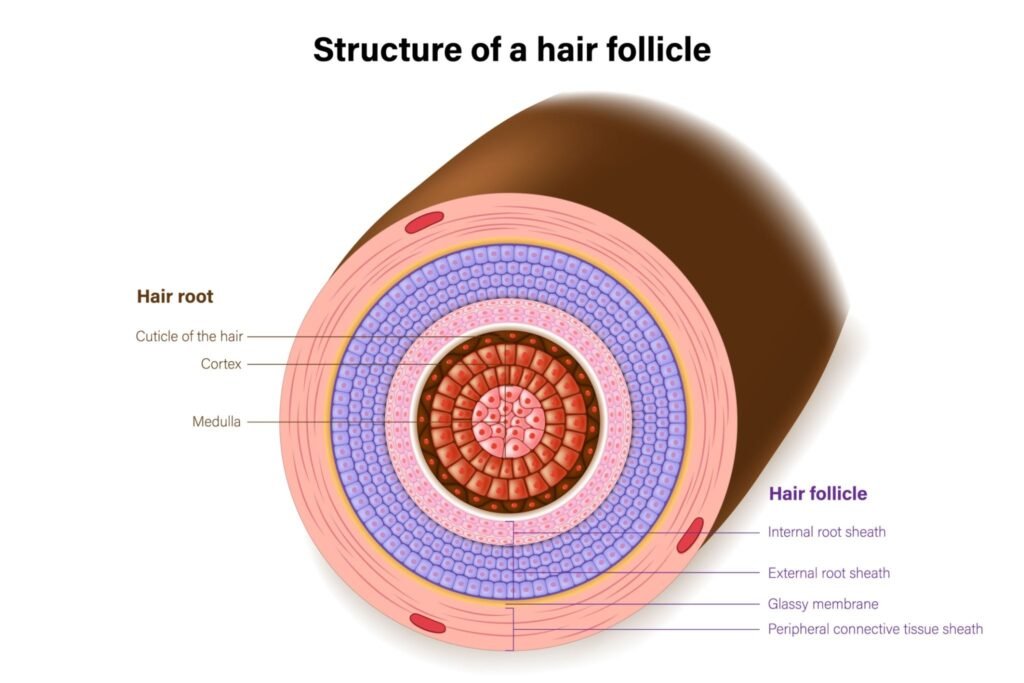
A hair transplant is basically a type of autologous transplantation. This means that the tissue that is donated comes from the patient’s own body, which means that there is no risk of the graft being rejected. The back and sides of the human scalp usually have “permanent zones” where hair is genetically programmed to resist the effects of Dihydrotestosterone (DHT), the hormone that causes androgenetic alopecia.
During the surgery, these strong hair follicles are carefully removed and moved to the front or crown areas. These hairs will keep growing naturally for the rest of their lives once they are successfully integrated into the new site. The “Graft Survival Rate,” which is affected by how the tissue is handled outside the body and how quickly the implantation process goes, is a big part of how well this transition goes.
The development of surgical techniques
Hair restoration has come a long way since the “pluggy” looks of the 1980s. Today, surgeons use micro-surgical tools to place single follicular units, which is like how hair grows in nature.
Extraction of Follicular Units (FUE)
FUE is the most popular method used in modern clinics. In this method, the surgeon uses a special motorised or manual punch tool to take out each unit. This method is preferred because it doesn’t require big cuts or stitches. It leaves tiny scars that look like dots and are almost impossible to see even with short hair. A lot of people choose this route because it doesn’t have a straight scar.
Follicular Unit Transplantation (FUT)
The strip method is still very useful for patients who need a lot of grafts in one session, even though it has been around for a while. Technicians can get a lot of healthy tissue by taking a thin strip of scalp and cutting it up with high-powered microscopes. Modern “trichophytic” closure techniques make sure that the linear scar that forms is as small as possible and is often hidden by the hair that grows around it.
Why India is the best place in the world for restoration
Foliage Hair Expert’s hair plantation surgery is becoming more popular in India because of a unique mix of advanced medical technology and highly trained doctors. Patients from the UK, USA, and Middle East often go to Indian cities because they can get care that meets international standards for a lot less money than they can at home.
Indian surgeons are known for their skill as well as their ability to make money. To make a hairline look natural, you need to know how to make your face look symmetrical and how hair grows in different directions. A good surgery is one where even a professional hairstylist can’t tell that a transplant has happened. A master surgeon in this field is someone who can get a lot of density while still keeping a soft, natural frontal transition.
The Importance of Cleanliness and Technology
The most important thing for any surgery to go well is safety. To avoid infections after surgery, good clinics buy operating rooms with HEPA filters and clean tools. HypoThermosol or chilled Ringer’s Lactate are examples of advanced storage solutions that keep the follicles hydrated and healthy while they are not on the scalp.
In addition, using Platelet-Rich Plasma (PRP) therapy during or after surgery has become standard. PRP uses the patient’s own growth factors to speed up healing and give the newly implanted grafts a “nutrient boost,” which helps them start growing faster.
Managing Expectations: The Growth Timeline
One of the most important things to teach patients is that results don’t happen right away. There is a certain order to how hair grows biologically:
- The First Week: This is the most important part of the healing process, when the grafts “take” to their new blood supply. It’s normal for there to be some swelling and scabbing.
- The Shedding Phase (Weeks 3–6): The external hair shafts fall out, which is often called “Shock Loss.” This can be scary, but it’s a normal part of the process. The root is still alive under the skin.
- The Dormant Phase (Months 2–4): The scalp looks pretty much the same as it did before the surgery. During this “ugly duckling” stage, you need to be patient.
- First Growth (Months 5–7): Fine, thin hairs start to grow. These will get thicker over time.
- Final Result (Month 12-18): The hair gets as thick and textured as it can be. This is the stage where the last aesthetic goal is reached.
Reviewing Candidacy and Scalp Condition
Not everyone is a good candidate for surgery. Checking the “Donor-to-Recipient Ratio” is part of a full consultation. If the donor area is too thin, taking out too many follicles could make the back of the head look patchy. Surgeons must also make sure that inflammatory conditions like Cicatricial Alopecia aren’t present, as these can cause the body to attack the new grafts.
A professional evaluation also considers the familial history of hair loss. Surgeons often suggest stabilising hair loss with medical treatment before doing a transplant on younger patients. This is to make sure that the native hair around the transplant doesn’t keep falling out, which would leave the transplant patch alone.
Taking care of yourself after surgery: Protecting your investment
The surgery is only half of the process; the other half depends on how well the patient takes care of their scalp in the days that follow.
- Position for sleeping: Keeping the head up for the first three nights helps the swelling go down.
- Gentle Washing: Using a saline spray or a special foam cleanser stops scabs from forming without moving the grafts.
- Avoiding Stress: To keep the grafts from “popping” out of their channels, you shouldn’t do any heavy lifting or intense exercise for at least two weeks. This could raise blood pressure in the scalp.
- Protecting Yourself from the Sun: The scalp that is healing is sensitive to UV rays. For the first month, it is best to wear a loose surgical hat when you are outside.
Planning for High Density in a Strategic Way
Getting to “Maximum Density” is a common goal. This means putting grafts as close together as possible, sometimes as many as 40 to 50 grafts in one square centimetre. But the surgeon has to find a balance between density and blood flow. If grafts are too tightly packed, they may fight over nutrients, which could lower the survival rate. A professional balance makes the hair look thick without hurting the health of the individual follicles.
Long-term value and financial concerns
Even though the initial cost may seem high, it’s important to think of it as a one-time investment. Over a ten-year period, a surgical fix is usually cheaper than the ongoing costs of hair systems, wigs, and temporary concealers that need to be replaced every few months. Also, the psychological benefits of feeling more confident and having a younger self-image are worth more than just the money you spend.
Price should never be the only thing that decides which clinic to go to. If you design a bad hairline or take too much hair from the donor area, it will cost a lot more to fix a bad transplant than it would to do it right the first time. Quality, openness, and the experience of the medical staff should always come first.
Last Thoughts on Picking a Surgeon
Getting a transplant is a life-changing choice. It takes a patient who is ready to go on the road to recovery and a medical team that has both technical skill and artistic vision to make it happen. People can get a change that looks as good in person as it does in the mirror by focusing on good care and setting realistic goals. Because India is a leader in this field, you can get the best care possible, which makes the dream of having a full head of hair a reality.
Would you like me to make you a personalised checklist for before surgery or a detailed plan for washing your hair after surgery for the first week of your recovery?
FAQs
The surgery is done with local anaesthesia, which makes the scalp completely numb. Most patients say that the first numbing injections hurt a little, but the rest of the 6 to 8-hour process is painless. During the extraction and implantation phases, a lot of patients watch films, listen to music, or even sleep.
The outcomes are enduring. The follicles that are taken from the donor area are genetically resistant to hair loss. They will keep growing for the rest of your life once they settle in. It’s important to remember that your “native” (non-transplanted) hair may still get thinner, which is why medical maintenance is often suggested.
Most people who have this surgery miss work for three to five days. By the fifth day, most of the swelling has gone down, and the small scabs can often be hidden by a loose cap or by styling your hair. If you have to do a lot of heavy lifting at work, it’s best to wait at least 10 to 14 days to make sure the grafts are completely safe.
Some minor side effects are swelling around the forehead and eyes that goes away after a few days, itching as the scalp heals, and numbness in the donor area that goes away after a few days. Most of the time, these symptoms go away on their own in a week or two. When done by an experienced team in a clean room, serious problems are not common.
The number of grafts depends on how far along the hair loss is. If your hairline is only slightly receding, you might only need 1,500 to 2,000 grafts. If your crown and front are very bald, you might need 4,000 or more. The only way to get an accurate count for your specific needs is to have a personalised consultation with a densitometer.
Yes, as long as the surgeon is good at art. Modern methods make it possible to put grafts in a way that looks like how hair naturally grows and angles. Using single-hair follicles at the very front of the hairline and multi-hair grafts further back for density makes the transition look smooth and natural.