
To keep your hair healthy and strong in a world full of pollution, bad weather, and styling appliances, you need to be dedicated. A lot of people have hair that is damaged and feels rough or lifeless, and they often look for ways to get it back to its former splendour. Understanding the science underlying your hair is the first step toward a successful change, whether you want to stop hair loss, make your hair thicker, or just make it stronger from the inside out.
The quest for the best hair treatment by Foliage hair experts isn’t just about one thing; it’s about a whole journey that takes into account the needs of your hair and scalp. You may go from short-term remedies to long-term wellness by focusing on your hair. This tutorial looks at the best ways to get the healthy hair you’ve always wanted by reducing frizz, making your hair feel better, and more.
Awareness of the Biological Basis of Your Hair
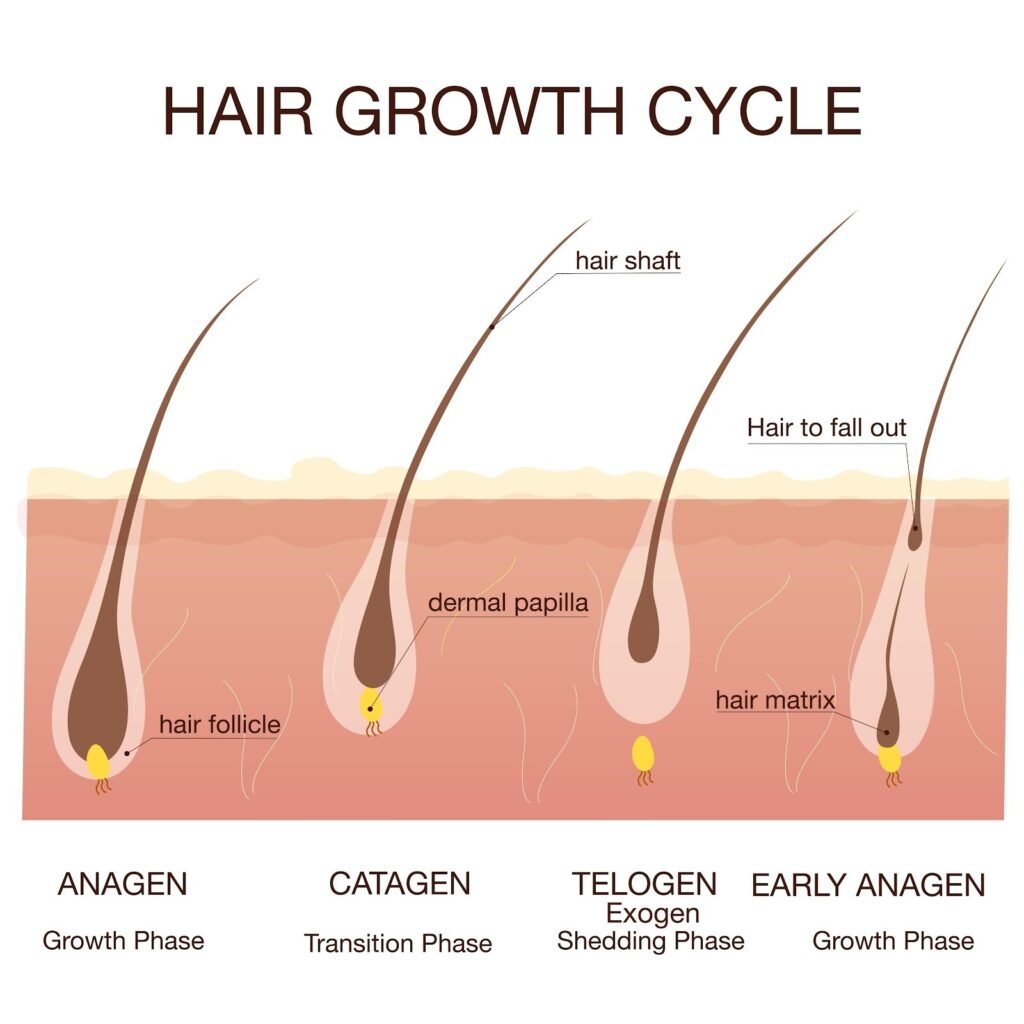
You need to know how your hair is made in order to properly care for it. The hair shaft is the part of the hair that you can see, while the follicle is the living root that resides under the skin. Keratin is the main protein that makes up the shaft. The cuticle is the outer layer of protection. When it is lifted or worn away, which typically happens with a regular heat style, the inner core is exposed. This makes hair brittle, which means it breaks easily and looks drab.
These days, hair care treatments are made to fix these kinds of problems. The appropriate treatment can make a big difference in how your hair reacts to stress every day, from fixing broken connections to sealing the cuticle.
Looking into professional and deep conditioning treatments
Professional help can give you more attention than home routines can when they aren’t enough. There are many different kinds of hair treatments available now, from deep protein boosts to new ways to smooth hair.
1. Hair Botox: The Way to Look Younger
Hair botox is a deep-conditioning therapy that doesn’t use chemicals, unlike the cosmetic process for the face. It gives the hair shaft a strong mix of proteins, vitamins, and collagen. This technique fills in the spaces between the hair fibres, which makes the hair less frizzy and gives it a gloss that looks like a mirror. It is especially helpful for people with damaged hair who want to restore softness without changing the way their hair naturally curls.
2. Treatments for Deep Conditioning
Deep conditioning treatments are necessary for frequent upkeep. These products go deeper than regular conditioners and get moisture to the brain. They are a lifeline for hair that breaks easily because they give it the flexibility it needs to stop breaking in the future. Using it often helps to make hair stronger and protect it from things in the environment like UV radiation and hard water.
3. Rebuilding Protein
If your hair seems mushy or too soft while it’s wet, it probably needs more protein. Protein treatments assist the hair’s structure come back together. These treatments are very important for hair that has been coloured or chemically straightened since they strengthen the keratin links.
Dealing with Hair Loss and Thinning
For a lot of people, the worst part is losing hair or seeing it thin out. Genetics, stress, or not getting enough nutrients can all lead to these problems. Before starting any trip to regrow, it’s important to figure out what caused it.
- Scalp Health: A healthy scalp is the foundation for hair growth. Buildup from products or excess oil can clog follicles, hindering the production of new strands. Scalp detox treatments can refresh the environment, encouraging better circulation.
- Targeted Serums: Many hair care products now contain active ingredients like minoxidil or peptides that stimulate the follicles directly.
- Internal Support: True hair health begins from within. A diet rich in biotin, iron, and zinc supports the biological processes required for natural hair to thrive.
How Daily Habits Affect the Texture of Your Hair
Intensive salon treatments are great, but what you do every day has a big effect on the texture of your hair. Making small changes now can save you from having to make big repairs later.
Don’t Style Your Hair Too Much
Every day, using a flat iron or blow dryer can break your hair and make it fall out. The heat takes moisture out of the hair shaft and makes the proteins weaker. Always apply a high-quality protectant when you heat style to keep the tool from touching your delicate strands.
Be gentle with wet hair.
When hair is wet, it is at its weakest. Don’t rub your hair too hard with a towel, as this might generate friction and make it brittle. Instead, use a microfibre towel to gently press out extra water and a wide-tooth comb to get rid of knots.
Taking care of natural hair
If you have natural hair, keeping it wet is the most important thing. Leave-in conditioners and oils help keep hair silky and prevent dryness, which can cause knots and hair loss.
Making a hair care routine that lasts
Consistency is key to a long-term plan for healthy hair. You can’t just treat the symptoms; you also have to change the things in your life that are hurting your hair.
Picking the Right Products
Find shampoos and conditioners that don’t have any harsh sulphates in them. Sulphates are soaps that make a lot of foam, but they can also take away the natural oils that protect your hair shaft. Instead, choose shampoos that are full of natural oils and amino acids that make hair stronger with each wash.
The Importance of Food
If your hair keeps getting thinner, it might be time to look at what you’re eating. Walnuts and flaxseeds are two foods that are high in omega-3 fatty acids, which are great for adding shine. Lean meats and beans are good sources of protein that help make keratin. Your body can focus on keeping your hair healthy when it gets the correct nutrients. This makes your hair grow faster and feel stronger.
Professional Advice
Sometimes, doing things yourself isn’t enough. If you’re not sure if your hair loss is caused by a medical ailment or just stress from your environment, talking to experts can assist. Experts can suggest a personalised regimen that includes both at-home care and power treatments at the salon.
Results: Putting money into your future strands
Getting your hair to look the way you want it to take a long time. You can make smart choices that will endure by learning about the many kinds of hair treatments and how they affect your hair and scalp. There are tools available to assist you get rid of frizz, control hair loss, or just make hair that has been weakened by time stronger.
Keep in mind that each strand has a tale to tell. You can make sure that your tale is one of strength, shine, and confidence by putting hair health first and employing the correct mix of hair care products. Accept the path to healthy hair and enjoy the change that comes with giving your hair the attention it needs.
FAQs
Foliage hair professionals figure out the right hair treatment for you by looking closely at your hair’s porosity, elasticity, and severity of damage. If your hair is dry, you need moisture; if it’s breaking, you need protein; and if it’s dull and frizzy, hair botox or a deep-conditioning session would be the best option.
Hair botox doesn’t make hair grow from the follicle, but it does keep hair from breaking by making the hair shaft stronger. You will observe a big difference in length over time if your hair doesn’t break at the ends. This will make it look like you have fuller, healthier hair.
People commonly talk about hair fall when they mean hair that is breaking along the strand or hair that is falling out because it has reached the end of its natural cycle. On the other hand, hair loss means that there are less active follicles, which might make hair thinner. Loss normally needs treatments for the scalp, while autumn usually needs conditioning treatments.
Most people just need to do it at home once a week or have a professional do it once a month. If you often style your hair with heat or have hair that has been highly treated, you might want to use this product more often to keep your strands soft and strong.
You can’t “cure” dead hair, but you can make it much better and stop new growth from getting damaged. If you always use the appropriate hair care products and stay away from harsh chemicals, your natural hair will grow back stronger and healthier.
Most new treatments are made to be safe for hair that has been treated. Glossing and some deep conditioning treatments can actually lock in colour and stop it from fading. They can also make the hair feel better overall.
Yes, massaging your scalp regularly makes blood flow to the follicles better. This gives the roots more oxygen and nutrients, which can help hair grow better and make the scalp and hair environment healthier overall.